


Best Foods for Bladder Infection Relief

Best Foods for Bladder Infection Relief
Bladder infections, medically known as urinary tract infections (UTIs), affect millions of people each year and can cause significant discomfort. While medical treatment is essential for addressing bacterial infections, incorporating the right foods into your diet can support healing, reduce symptoms, and potentially prevent future occurrences. Understanding which foods promote bladder health is particularly important for those managing urinary incontinence alongside bladder infections.
Understanding the Connection Between Diet and Bladder Health
The foods we consume directly impact our urinary system’s health. Certain nutrients and compounds in foods can either support the bladder’s natural defense mechanisms or irritate the urinary tract lining. When dealing with a bladder infection, your body needs specific nutrients to fight bacteria, reduce inflammation, and maintain healthy urine pH levels.
A well-balanced diet rich in vitamins, minerals, and antioxidants strengthens your immune system, making it more effective at combating infections. According to NHS Eat Well guidelines, maintaining proper nutrition is fundamental to overall health and disease prevention, including urinary tract health.
For individuals experiencing urinary incontinence during or after bladder infections, dietary choices become even more critical as they navigate both conditions simultaneously. Managing symptoms effectively requires a comprehensive approach that includes proper nutrition and reliable incontinence products. The hidden cost of unmanaged incontinence can be significant, both financially and in terms of quality of life.
Top Foods That Support Bladder Infection Recovery
Water and Hydrating Fluids
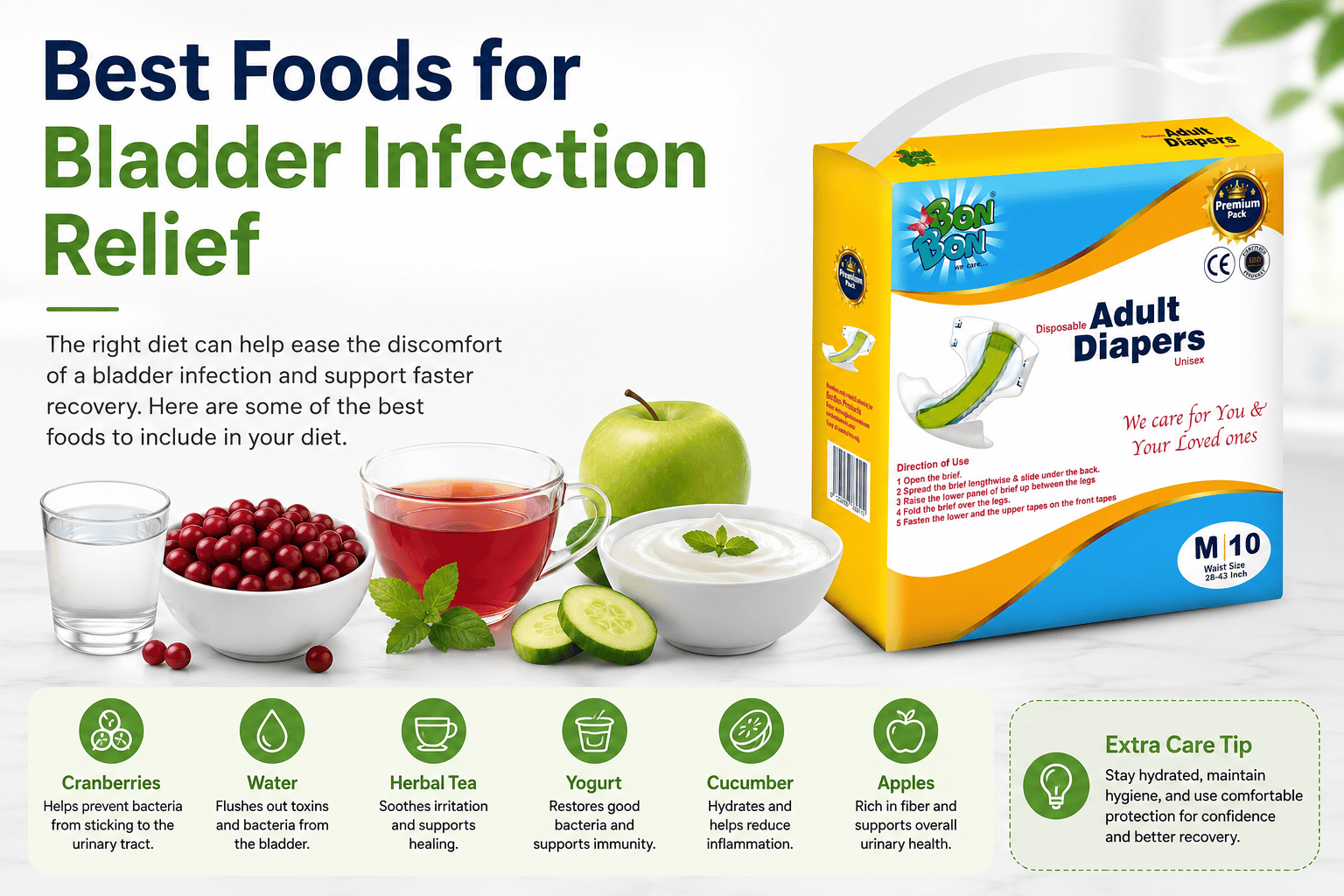
Water stands as the most crucial element in managing bladder infections. Drinking adequate amounts of water helps flush bacteria from the urinary tract, dilutes urine to reduce irritation, and prevents bacterial growth. Aim for at least eight to ten glasses daily, or more if your healthcare provider recommends it.

Herbal teas, particularly chamomile and green tea, provide hydration while offering anti-inflammatory and antibacterial properties. Coconut water serves as another excellent option, providing natural electrolytes without added sugars that might feed harmful bacteria.
Cranberries and Blueberries
Cranberries have long been associated with urinary tract health, and scientific evidence supports this connection. These berries contain proanthocyanidins, compounds that prevent bacteria from adhering to the bladder wall. While cranberry juice can be beneficial, opt for unsweetened varieties to avoid excess sugar.
Blueberries offer similar benefits with high antioxidant content that supports immune function and reduces inflammation. Fresh or frozen berries work equally well, making them accessible year-round.
Probiotic-Rich Foods
Yogurt, kefir, and other fermented foods containing live cultures help maintain healthy bacteria balance in your body. Probiotics support the growth of beneficial bacteria that can crowd out harmful strains causing infections. Look for products labeled with live and active cultures, particularly those containing Lactobacillus strains.
Other probiotic sources include sauerkraut, kimchi, and miso, which can be easily incorporated into various meals throughout the day.
Vitamin C-Rich Fruits and Vegetables
Vitamin C acidifies urine, creating an environment less hospitable to bacteria. Oranges, lemons, grapefruits, bell peppers, and strawberries provide excellent sources of this essential nutrient. The recommended approach involves spreading vitamin C intake throughout the day rather than consuming large amounts at once.
Dark leafy greens like spinach and kale also contribute vitamin C alongside other beneficial nutrients that support immune function.
Protein Sources
Lean proteins support tissue repair and immune system function during infection recovery. Fish, chicken, eggs, and plant-based options like lentils and beans provide essential amino acids without excessive fat that might irritate the bladder.
According to USDA MyPlate recommendations, a balanced diet should include appropriate portions of protein at each meal to support overall health and healing.
Foods to Avoid During Bladder Infections
Understanding what to avoid is equally important as knowing what to eat. Certain foods and beverages can irritate the bladder lining, worsen symptoms, or promote bacterial growth.

Caffeine and alcohol both act as diuretics and bladder irritants, potentially worsening urgency and frequency symptoms. Coffee, tea, energy drinks, and alcoholic beverages should be minimized or eliminated during active infections.
Spicy foods containing hot peppers or strong spices can irritate the urinary tract and exacerbate discomfort. Temporarily reducing these in your diet may help manage symptoms more effectively.
Artificial sweeteners found in diet sodas and sugar-free products have been linked to bladder irritation in many individuals. Natural sweeteners in moderation present a better alternative.
Processed and high-sugar foods can suppress immune function and potentially feed harmful bacteria. Limiting refined carbohydrates, sugary snacks, and processed meals supports better recovery outcomes.
Creating a Bladder-Friendly Meal Plan
Implementing dietary changes doesn’t require drastic measures. Start your day with probiotic yogurt topped with fresh blueberries and a glass of water. Mid-morning, enjoy a vitamin C-rich fruit like an orange or grapefruit.
For lunch, prepare a colorful salad with leafy greens, bell peppers, grilled chicken, and a light dressing. Include a side of fermented vegetables if you enjoy them. Afternoon hydration might include herbal tea or coconut water.
Dinner could feature baked fish with steamed vegetables and quinoa, followed by unsweetened cranberry juice diluted with water. Throughout the day, maintain consistent water intake to support continuous flushing of the urinary system.
This approach aligns with balanced nutrition principles while specifically supporting bladder health during infection recovery.
Managing Incontinence During Bladder Infections
Bladder infections often cause temporary or worsening incontinence symptoms, including urgency, frequency, and occasional leakage. This combination can be particularly challenging, but proper management strategies make daily life more comfortable. For instance, understanding why incontinence gets worse at night can help in strategizing management.
Staying well-hydrated despite increased urgency might seem counterintuitive, but adequate fluid intake remains essential for flushing bacteria. Using reliable, high-absorbency adult diapers provides security and confidence while your body heals from the infection. Some might wonder, can women wear men’s adult diapers? The answer often depends on fit and absorbency needs rather than gender.
BonBon Products offers premium adult diapers specifically designed for individuals managing urinary incontinence in India. These leak-proof, skin-friendly products provide discreet protection both day and night, allowing you to focus on recovery without worry about accidents or discomfort.
The combination of proper nutrition, adequate hydration, medical treatment, and dependable incontinence products creates a comprehensive approach to managing bladder infections and their associated symptoms. It’s important to differentiate facts from fiction, as outlined in our article: 10 Myths About Adult Diapers Debunked.
Long-Term Prevention Through Dietary Habits
Once you’ve recovered from a bladder infection, maintaining healthy dietary habits helps prevent recurrence. Continue incorporating bladder-supportive foods into your regular meal planning rather than viewing them as temporary measures.
Establish a consistent hydration routine, drinking water throughout the day rather than consuming large amounts at once. Keep probiotic-rich foods as regular components of your diet to maintain healthy bacterial balance.
Monitor how your body responds to different foods, as individual sensitivities vary. Some people tolerate certain acidic foods better than others, so personal observation helps fine-tune your optimal diet.
Regular consumption of antioxidant-rich fruits and vegetables supports overall immune function, making your body more resilient against future infections. This preventive approach benefits not just urinary health but your entire body’s wellness.
Conclusion
Managing bladder infections effectively requires a multifaceted approach that includes proper medical care, strategic dietary choices, and practical symptom management. Foods rich in vitamin C, antioxidants, probiotics, and anti-inflammatory compounds support your body’s natural healing processes while helping prevent future occurrences.
Staying well-hydrated, avoiding bladder irritants, and maintaining balanced nutrition creates an environment conducive to recovery. For those experiencing incontinence symptoms during bladder infections, combining these dietary strategies with reliable incontinence products ensures comfort and confidence throughout the healing process.
Remember that while diet plays a supportive role in managing bladder infections, it should complement rather than replace medical treatment. Always consult your healthcare provider about persistent or severe symptoms, and discuss how dietary modifications can best support your individual treatment plan.
