


Foods to Avoid With Uti: Essential Guide

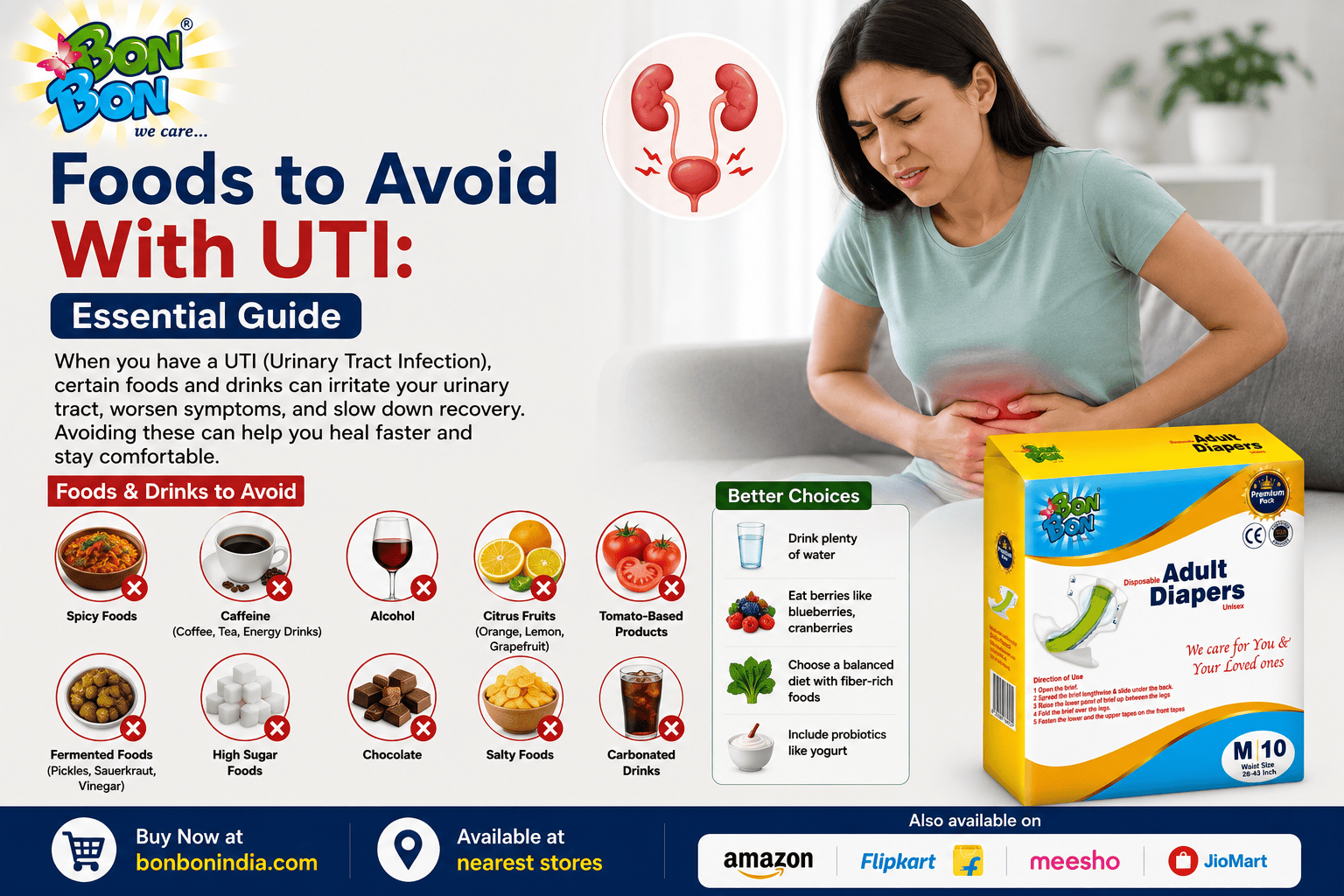
Foods to Avoid With Uti: Essential Guide
Urinary tract infections (UTIs) are among the most common bacterial infections, affecting millions of people worldwide each year. While medical treatment is essential for addressing UTIs, dietary choices play a crucial role in managing symptoms and supporting recovery. Understanding which foods to avoid during a UTI can help reduce discomfort, prevent irritation, and support your body’s healing process. For those managing urinary incontinence alongside UTIs, making informed dietary choices becomes even more important for overall urinary health.
Understanding the Connection Between Diet and UTIs
When you have a urinary tract infection, your bladder and urinary system are already inflamed and sensitive. Certain foods and beverages can exacerbate this irritation, increase inflammation, or create an environment that allows bacteria to thrive. The foods you consume can directly affect the pH level of your urine, bladder function, and the overall healing process.
Your urinary system works to filter waste and maintain proper hydration levels. During a UTI, this system is compromised, making it more susceptible to irritants. By avoiding specific trigger foods, you can minimize additional stress on your urinary tract and help your body focus on fighting the infection. This is particularly important for individuals who also manage urinary incontinence, as bladder irritation can worsen control issues.
Sugary Foods and Refined Carbohydrates
Sugar is one of the most important substances to limit when dealing with a UTI. Bacteria, including E. coli which causes most UTIs, thrive on sugar. Consuming high amounts of sugar can literally fuel the infection you’re trying to eliminate. This includes obvious sources like candy, cookies, and soft drinks, as well as hidden sugars in processed foods.

Refined carbohydrates such as white bread, pastries, and white rice break down quickly into sugars in your body, creating the same problematic environment. These foods can also spike your blood sugar levels, which may compromise immune function when your body needs it most. According to nutritional guidelines from NHS Eat Well, choosing whole grains over refined options benefits overall health and can support better immune response.
- Candies, chocolates, and desserts
- Sweetened breakfast cereals
- Regular sodas and sweetened beverages
- White bread and refined pasta
- Pastries and baked goods
Caffeinated and Alcoholic Beverages
Caffeine and alcohol are two of the most significant bladder irritants. Coffee, tea, energy drinks, and caffeinated sodas can increase bladder activity and urgency, worsening UTI symptoms like painful urination and frequent bathroom trips. Caffeine acts as a diuretic, which might seem helpful for flushing out bacteria, but it can also lead to dehydration and concentrate your urine, making it more irritating to inflamed tissues.
Alcohol similarly irritates the bladder lining and dehydrates the body. Dehydration is particularly problematic during a UTI because you need adequate fluid intake to help flush bacteria from your urinary system. Alcohol also weakens your immune system, making it harder for your body to fight the infection effectively.
For individuals managing both UTIs and incontinence, these beverages can significantly worsen symptoms and increase the frequency of accidents. It’s best to eliminate or drastically reduce consumption until the infection clears.
Spicy and Acidic Foods
Spicy foods containing hot peppers, chili powder, curry, and other strong spices can irritate the bladder lining, intensifying the burning sensation during urination that already accompanies a UTI. While these foods don’t directly feed bacteria, they can make symptoms considerably more uncomfortable.
Acidic foods pose a similar problem. Citrus fruits and juices (oranges, grapefruits, lemons), tomatoes and tomato-based products, and vinegar can all increase bladder irritation. The high acid content can sting already inflamed urinary tissues and make the pH environment less favorable for healing.
Foods to limit or avoid:
- Hot peppers and spicy sauces
- Citrus fruits and their juices
- Tomatoes, tomato sauce, and salsa
- Vinegar and pickled foods
- Pineapple and other acidic fruits
While cranberry juice is often recommended for UTI prevention due to compounds that may prevent bacterial adhesion, its high acidity can sometimes irritate active infections. If you choose to consume cranberry products, opt for low-acid varieties or supplements instead of acidic juice.
Artificial Sweeteners and Processed Foods
Artificial sweeteners, particularly aspartame and saccharin, are known bladder irritants that can worsen UTI symptoms. These are commonly found in diet sodas, sugar-free gum, and “light” versions of various foods. Even though they don’t contain sugar, they can still trigger bladder discomfort and increased urgency.
Processed and packaged foods often contain high levels of sodium, preservatives, and additives that can irritate the urinary system. Excessive sodium intake can lead to water retention and concentrated urine, which irritates inflamed bladder tissues. The USDA MyPlate guidelines emphasize choosing whole, unprocessed foods for optimal health, advice that becomes especially important during illness.
The quality of your diet directly impacts your body’s ability to heal. During a UTI, choosing gentle, whole foods supports your immune system and reduces unnecessary irritation to your urinary system.
What to Eat Instead: Supporting UTI Recovery
While avoiding irritating foods is important, knowing what to eat during a UTI is equally valuable. Focus on foods that support immune function, reduce inflammation, and won’t irritate your bladder. Water should be your primary beverage, with a goal of drinking at least 8-10 glasses daily to help flush bacteria from your system.
Probiotic-rich foods like plain yogurt and kefir can help restore healthy bacteria balance, particularly important if you’re taking antibiotics. Lean proteins, whole grains, and non-acidic fruits and vegetables provide essential nutrients without causing bladder irritation. Berries (especially blueberries), bananas, pears, and green leafy vegetables are excellent choices.
Foods high in vitamin C support immune function but should be chosen carefully. Rather than acidic citrus, consider bell peppers, broccoli, and strawberries in moderation. Anti-inflammatory foods like ginger and garlic may also support healing without irritating the bladder.
For individuals managing incontinence alongside UTIs, maintaining consistent hydration and avoiding bladder irritants becomes even more critical for maintaining control and comfort. Quality incontinence products provide security and confidence during recovery.
Conclusion
Managing a urinary tract infection requires a comprehensive approach that includes proper medical treatment and strategic dietary choices. By avoiding foods that irritate the bladder, feed bacteria, or compromise immune function—such as sugar, caffeine, alcohol, spicy foods, acidic items, and artificial sweeteners—you can support your body’s healing process and reduce uncomfortable symptoms. Instead, focus on hydrating well with water, eating whole foods rich in nutrients, and choosing gentle options that nourish without irritating.
Remember that while dietary changes can significantly impact UTI symptoms and recovery, they should complement, not replace, medical treatment. Always consult with healthcare providers about persistent or recurrent UTIs. For those managing urinary incontinence, whether temporary during a UTI or ongoing, proper nutrition combined with reliable protection ensures comfort and confidence throughout the healing journey. Making informed food choices empowers you to take an active role in your urinary health and overall wellbeing. Many also look for affordable adult diapers to manage incontinence without financial strain. You can find a wide range of options, including specific adult diapers for men, designed for comfort and discretion. For quality and savings, be sure to check out an adult diapers sale.
