


Urinary Incontinence in Elderly: Complete Guide

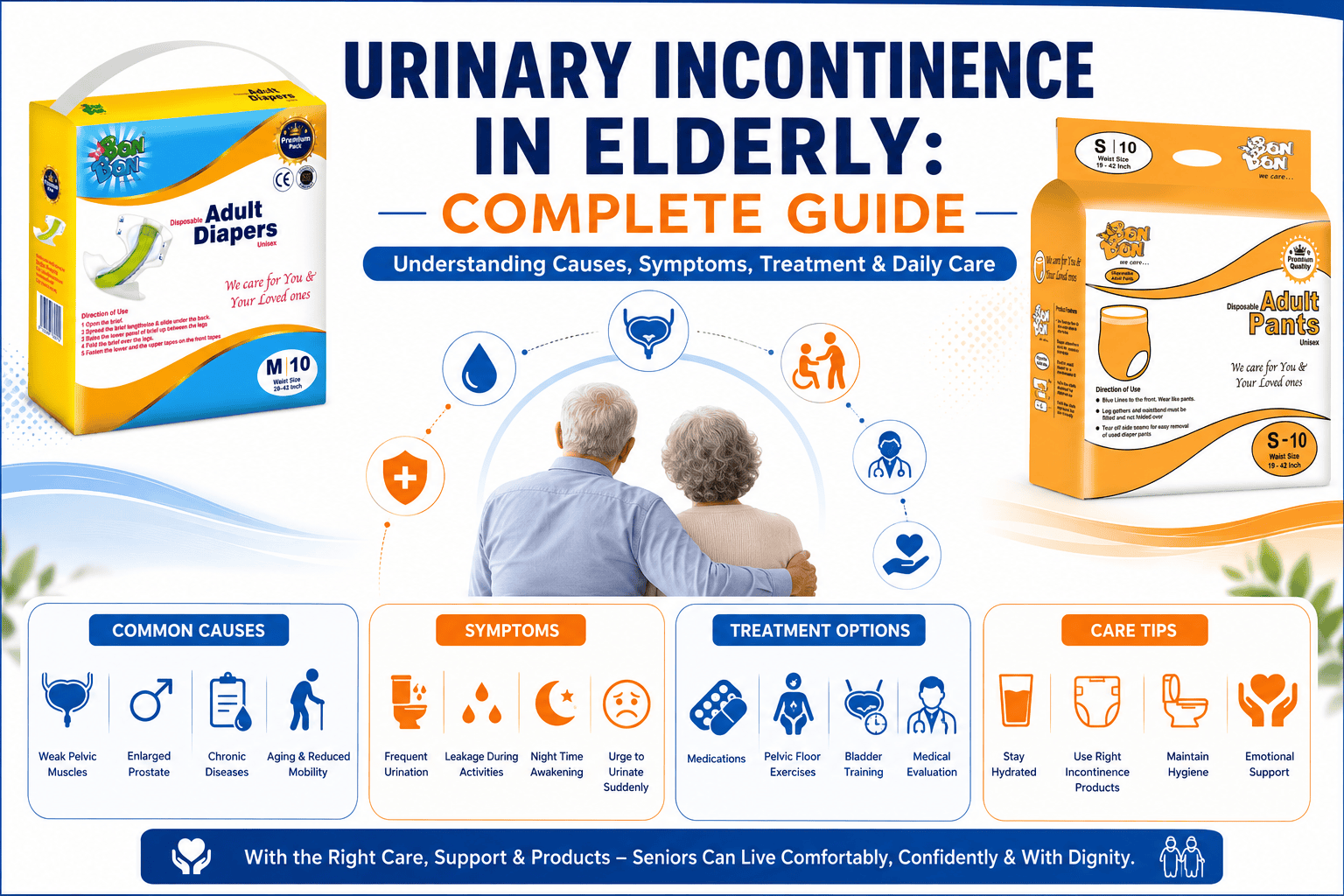
Urinary Incontinence in Elderly: Complete Guide
Urinary incontinence in the elderly, known as “buzurgon mein mootr asanyam” in Hindi, affects millions of seniors worldwide and represents one of the most common yet under-discussed health challenges among aging populations. This condition, characterized by the involuntary leakage of urine, can significantly impact quality of life, independence, and emotional well-being. Understanding why incontinence occurs in older adults and exploring effective management strategies is essential for both seniors and their caregivers.
Understanding Urinary Incontinence in Seniors
Urinary incontinence is not a normal part of aging, though it becomes more common as we grow older. This condition occurs when the muscles and nerves involved in bladder control weaken or become damaged. While many seniors experience some degree of bladder control issues, it’s important to recognize that incontinence is a treatable medical condition, not an inevitable consequence of getting older.
The bladder is a complex organ that relies on coordinated muscle function and nerve signals. When you’re young, your pelvic floor muscles, bladder muscles, and sphincters work together seamlessly. As we age, this system can become less efficient due to various physiological changes, medical conditions, and lifestyle factors that accumulate over the years.
Statistics reveal that approximately 50-70% of elderly individuals living in care facilities experience some form of urinary incontinence, while 15-30% of seniors living independently deal with this condition. Women are twice as likely as men to experience incontinence, though men become increasingly affected after age 75, particularly due to prostate-related issues.
Primary Causes of Incontinence in the Elderly
Several interconnected factors contribute to urinary incontinence in older adults:
Age-Related Physiological Changes
The aging process brings natural changes to the urinary system. Bladder capacity typically decreases with age, reducing the amount of urine the bladder can hold. Additionally, the bladder muscle may become overactive, causing sudden, urgent needs to urinate. Conversely, some seniors experience underactive bladder muscles that don’t empty completely, leading to overflow incontinence.
The pelvic floor muscles naturally weaken over time, especially in women who have given birth. These muscles support the bladder and urethra, and when they lose strength, stress incontinence can occur—leakage during activities that increase abdominal pressure like coughing, sneezing, or lifting.
Medical Conditions and Diseases
Numerous health conditions disproportionately affect elderly populations and contribute to incontinence. Diabetes can damage nerves that control the bladder, leading to neurogenic bladder dysfunction. Neurological conditions such as Parkinson’s disease, Alzheimer’s disease, multiple sclerosis, and stroke can disrupt the communication between the brain and bladder.
In men, prostate problems including benign prostatic hyperplasia (BPH) and prostate cancer are leading causes of urinary difficulties. The enlarged prostate can block urine flow and cause incomplete bladder emptying. For women, menopause-related hormonal changes reduce estrogen levels, which affects the strength of urethral tissues and pelvic floor support.
Urinary tract infections (UTIs) are more common in seniors and can cause temporary incontinence. Chronic constipation, obesity, and arthritis that limits mobility can also contribute to bladder control issues.
Medications and Treatments
Many medications commonly prescribed to elderly patients have side effects that impact bladder control. Diuretics, used for high blood pressure and heart conditions, increase urine production. Sedatives and sleeping pills can reduce awareness of the need to urinate. Alpha-blockers, antidepressants, and certain pain medications can also affect bladder function.
Lifestyle and Behavioral Factors
Physical inactivity weakens pelvic floor muscles and contributes to weight gain, both of which increase incontinence risk. According to CDC physical activity guidelines, regular exercise is crucial for maintaining muscle strength and overall health in seniors. Excessive caffeine and alcohol consumption can irritate the bladder, while inadequate fluid intake leads to concentrated urine that irritates the bladder lining.
Types of Incontinence Common in Elderly Adults
Stress Incontinence: Leakage occurs when physical movement or activity puts pressure on the bladder. Common triggers include coughing, sneezing, laughing, exercising, or lifting heavy objects. This type is more prevalent in women due to weakened pelvic floor muscles from childbirth and menopause.
Urge Incontinence (Overactive Bladder): Characterized by a sudden, intense urge to urinate followed by involuntary urine loss. The bladder muscle contracts unexpectedly, even when it’s not full. This is the most common type in elderly populations and can be triggered by neurological conditions.
Overflow Incontinence: Occurs when the bladder doesn’t empty completely, leading to frequent or constant dribbling. Common in men with prostate problems or individuals with nerve damage from diabetes.
Functional Incontinence: The bladder functions normally, but physical or cognitive limitations prevent reaching the toilet in time. This can often lead to frequent night urination, or nocturia. Arthritis, dementia, or mobility issues are common causes.
Mixed Incontinence: A combination of two or more types, most commonly stress and urge incontinence together.
Effective Management and Treatment Options
The good news is that urinary incontinence is highly manageable with the right approach. Treatment typically combines lifestyle modifications, medical interventions, and supportive products.
Lifestyle Modifications
Pelvic floor exercises, commonly known as Kegel exercises, strengthen the muscles that support bladder control. These exercises involve contracting and relaxing pelvic floor muscles regularly throughout the day. The NHS exercise guidance provides comprehensive instructions for performing these exercises correctly.
Bladder training helps extend the time between bathroom visits by gradually increasing the intervals. Maintaining a healthy weight reduces pressure on the bladder and pelvic floor. Dietary adjustments, including limiting caffeine, alcohol, and acidic foods, can significantly reduce bladder irritation.
Medical Treatments
Medications such as anticholinergics can calm overactive bladder muscles, while alpha-blockers help men with prostate-related issues. Topical estrogen therapy may benefit postmenopausal women. For severe cases, surgical options like sling procedures, bladder neck suspension, or sacral nerve stimulation may be recommended.
Absorbent Products for Confidence and Comfort
Modern incontinence products have revolutionized quality of life for those managing bladder control issues. Premium adult diapers are essential, especially for individuals with conditions like diabetes, where choosing the best adult diapers for diabetes patients is crucial. Trusted brands like BonBon Products offer high-absorbency, leak-proof protection designed specifically for Indian consumers. These products feature skin-friendly materials that prevent rashes and discomfort, even during extended wear. For caregivers, knowing how to change diaper for a bedridden patient efficiently is also vital for comfort and hygiene.
BonBon Products offers both pant-style and tape-style options, allowing users to choose based on their mobility level and personal preference. The pant-style diapers provide discreet, underwear-like comfort ideal for active seniors, while tape-style options offer convenience for caregivers assisting bedridden individuals. With odor-control technology and comfortable elastic waistbands, these products restore confidence and independence to those managing incontinence.
Impact on Quality of Life and Emotional Well-Being
Beyond the physical challenges, urinary incontinence profoundly affects emotional and social well-being. Many seniors experience embarrassment, shame, and anxiety about potential accidents, leading to social isolation. Fear of odor or visible leakage may cause individuals to avoid social gatherings, religious functions, family events, and recreational activities they once enjoyed.
Depression and reduced self-esteem are common among those living with incontinence. Sleep disruption from nocturia (nighttime urination) leads to fatigue and decreased cognitive function. Caregivers also experience increased stress and burden when managing a loved one’s incontinence. It’s also important to understand the causes and prevention of adult diaper rash to maintain skin health and comfort.
However, with proper management and supportive products, seniors can maintain active, fulfilling lives. Open communication with healthcare providers and family members is essential. Support groups and counseling can help address the emotional aspects of living with incontinence.
When to Seek Medical Help
Seniors experiencing urinary incontinence should consult a healthcare provider, especially if the condition is new, worsening, or accompanied by pain, blood in urine, difficulty urinating, or fever. Early intervention prevents complications and improves treatment outcomes.
A comprehensive evaluation typically includes a medical history review, physical examination, urinalysis, and possibly bladder function tests. Healthcare providers can identify underlying causes and develop personalized treatment plans tailored to individual needs and circumstances.
Conclusion
Urinary incontinence in the elderly is a common, treatable condition that affects millions of seniors worldwide. Understanding the multiple causes—from age-related physiological changes to medical conditions and medications—empowers both seniors and caregivers to seek appropriate help and implement effective management strategies. While incontinence presents significant challenges to quality of life, modern treatment options, lifestyle modifications, and high-quality absorbent products like those from BonBon Products enable seniors to maintain dignity, independence, and active lifestyles. Remember, incontinence is not something to endure in silence—it’s a medical condition deserving compassionate care and effective solutions. By addressing this issue openly and proactively, we can ensure our elderly loved ones continue to live comfortably and confidently.
