


How to Change Diaper for Bedridden Patient

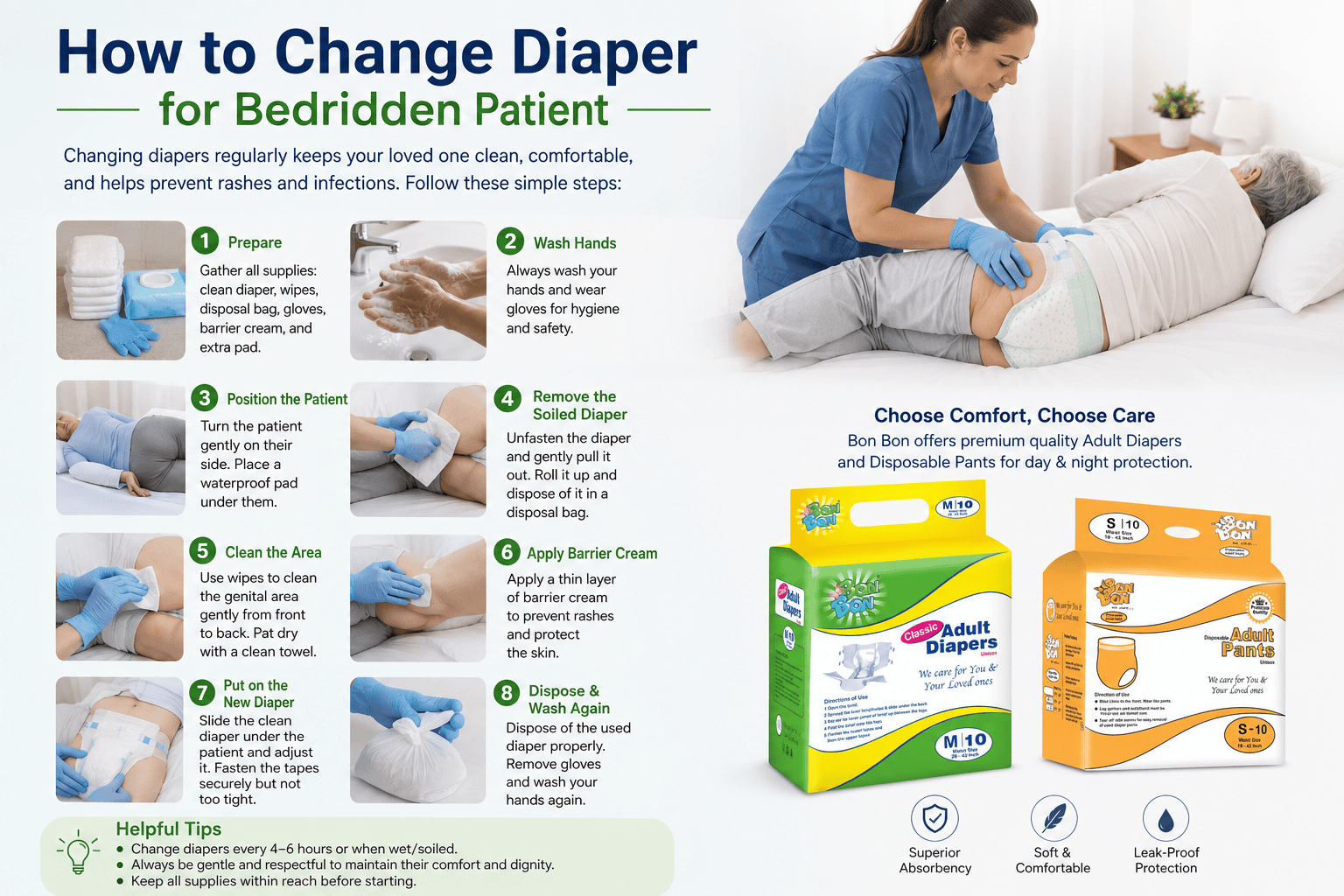
How to Change Diaper for Bedridden Patient
Caring for a bedridden patient requires compassion, patience, and practical knowledge. One of the most essential caregiving tasks is changing adult diapers with dignity and proper technique. Whether you’re caring for an elderly parent, a post-surgery patient, or a loved one with mobility limitations, understanding the correct diaper-changing process ensures comfort, maintains skin health, and preserves the individual’s dignity.
This comprehensive guide walks you through every step of changing an adult diaper for someone who is bedridden, covering preparation, technique, skin care, and best practices to make the process as comfortable as possible for both caregiver and patient.
Essential Supplies and Preparation
Before beginning the diaper change, gather all necessary supplies within arm’s reach. Proper preparation minimizes disruption and reduces the time your loved one needs to be in an uncomfortable position.
Required supplies include:
- Fresh adult diaper (appropriate size and absorbency level)
- Disposable gloves for hygiene
- Wet wipes or washcloths with warm water
- Gentle cleansing solution or mild soap
- Barrier cream or moisturizer
- Disposable underpad or changing pad
- Plastic bag for soiled diaper disposal
- Clean towels or dry cloths
Ensure the room is at a comfortable temperature, as patients will be partially exposed during the change. Privacy is equally important—close doors and curtains to maintain dignity throughout the process.
Step-by-Step Diaper Changing Technique
The turning and positioning method is the safest and most effective approach for changing a bedridden patient’s diaper. This technique requires gentle handling and clear communication with the patient when possible.
Step 1: Communicate and Position
Explain what you’re about to do, even if the patient has limited responsiveness. Lower the bed to a comfortable working height and ensure bed rails are secure. Position the patient flat on their back with knees slightly bent if possible.
Step 2: Remove the Soiled Diaper
Put on disposable gloves. Unfasten the tapes or sides of the soiled diaper, folding the front portion down. Gently roll the patient onto their side, facing away from you. Roll the soiled diaper lengthwise and tuck it beneath them, leaving it temporarily in place.
Step 3: Clean and Dry
Using wet wipes or a warm washcloth, thoroughly clean the genital area, working from front to back to prevent infection. Pay special attention to skin folds where moisture can accumulate. For patients with limited mobility, proper hygiene is crucial for preventing urinary tract infections and skin breakdown. The NHS provides guidance on maintaining overall health for those with reduced mobility.
Dry the area completely with a clean towel, as moisture trapped against skin leads to irritation and breakdown.
Step 4: Apply Barrier Protection
Apply a thin layer of barrier cream or moisture-repelling ointment to protect skin from prolonged exposure to moisture. This step is particularly important for overnight protection or for patients who require extended wear time between changes.
Step 5: Position the Fresh Diaper
Unfold the clean diaper and fan-fold it lengthwise. While the patient remains on their side, slide the diaper under them, positioning the back portion so it reaches the patient’s waistline. The center of the diaper should align with the patient’s tailbone.
Step 6: Roll and Secure
Gently roll the patient back onto their back, pulling out the rolled soiled diaper from beneath them and disposing of it properly. Pull the front of the fresh diaper up between the patient’s legs, smoothing out any wrinkles. Secure the adhesive tabs or side panels, ensuring the fit is snug but not constricting. You should be able to slide two fingers comfortably between the diaper and the patient’s waist.
Step 7: Final Adjustments
Check that leg gathers are properly positioned around the legs to prevent leakage. Ensure the diaper sits smoothly without bunching, which can cause discomfort and pressure points.
Maintaining Skin Health and Preventing Complications
Regular diaper changes are critical for preventing skin breakdown, infections, and discomfort. Most bedridden patients require changing every 2-4 hours during the day and at least once overnight, though high-absorbency products like those from BonBon Products can extend wear time safely.
Watch for these warning signs:
- Redness or discoloration that doesn’t fade within 30 minutes
- Skin breakdown, blisters, or open sores
- Unusual odors that may indicate infection
- Increased patient discomfort or agitation
- Persistent moisture despite frequent changes
Inspect skin thoroughly during each change. Early detection of pressure sores or dermatitis allows for prompt treatment and prevents serious complications. For more information, see our guide on Adult Diaper Rash: Causes and Prevention. According to the CDC’s activity guidelines, even bedridden patients benefit from position changes and gentle movement, which also helps maintain skin integrity.
Consider using a rotation schedule, alternating the patient’s position between back, left side, and right side throughout the day. This practice distributes pressure and reduces the risk of pressure ulcers developing.
Choosing the Right Diaper for Bedridden Patients
Not all adult diapers are created equal, and selecting the appropriate product significantly impacts comfort, skin health, and leak protection. Bedridden patients have specific needs that differ from those who are mobile.
Tape-style diapers are generally preferred for bedridden individuals because they can be changed without requiring the patient to stand or lift their legs high. These diapers feature adjustable tabs that allow caregivers to achieve a customized fit and make repositioning easier during changes.
Key features to prioritize:
- High absorbency capacity for extended wear, especially overnight
- Leak guards and barriers that prevent side leakage when lying down
- Breathable materials that allow air circulation while preventing leaks
- Skin-friendly design with hypoallergenic materials and wetness indicators
- Proper sizing based on waist and hip measurements for optimal fit
Premium brands like BonBon Products offer specialized tape-style diapers engineered specifically for bedridden patients, with advanced absorbent cores that lock away moisture and neutralize odors while maintaining skin dryness. The investment in quality products pays dividends in reduced skin complications and improved patient comfort. You can explore various options and features in our Adult Diaper Brands: 2026 Buyer’s Guide.
Maintaining Dignity and Emotional Well-being
The physical aspects of diaper changing are only part of the equation. Preserving dignity and emotional well-being is equally crucial for the patient’s quality of life.
Dignity-preserving practices include:
- Always communicating before and during care, explaining each step
- Covering the patient’s upper body and legs when possible
- Maintaining a matter-of-fact, professional demeanor
- Respecting the patient’s preferences regarding caregivers
- Avoiding discussions about the process with others in the patient’s presence
Many patients experience embarrassment, frustration, or depression about requiring assistance with such personal tasks. Acknowledge these feelings while emphasizing that receiving care is nothing to be ashamed of. Maintain the same respectful tone you would use in any conversation.
For family caregivers, this role reversal can be emotionally challenging. Seeking support through caregiver groups, respite care services, or professional counseling helps maintain your own well-being so you can continue providing compassionate care.
Safety Considerations for Caregivers
Protecting your own physical health while providing care ensures sustainability of your caregiving role. Improper body mechanics during diaper changes can lead to back injuries and strain.
Caregiver safety tips:
- Adjust bed height to waist level to avoid excessive bending
- Keep your back straight and bend at the knees when lifting
- Stand with feet shoulder-width apart for stability
- Use draw sheets or transfer aids when repositioning heavier patients
- Never twist your torso while supporting the patient’s weight
- Consider asking another person to assist with changes when needed
If you experience persistent back pain, numbness, or strain, consult a healthcare provider and consider working with an occupational therapist who can demonstrate safer transfer techniques specific to your situation.
Conclusion
Changing diapers for a bedridden patient is a fundamental caregiving skill that directly impacts health, comfort, and dignity. By following proper techniques, maintaining consistent hygiene practices, selecting appropriate products, and prioritizing both physical and emotional well-being, you provide compassionate care that enhances quality of life.
Remember that every patient is unique, and you’ll develop your own rhythm and approach over time. Don’t hesitate to consult healthcare professionals for guidance on specific challenges, and consider the benefits of premium incontinence products designed specifically for bedridden individuals. For top-rated products, consult our guide to the Best Diapers for Adults: Complete 2026 Guide. Quality care combines the right techniques with the right products, creating the best possible outcomes for those who depend on your compassionate assistance.
