


Adult Diaper Rash: Causes and Prevention

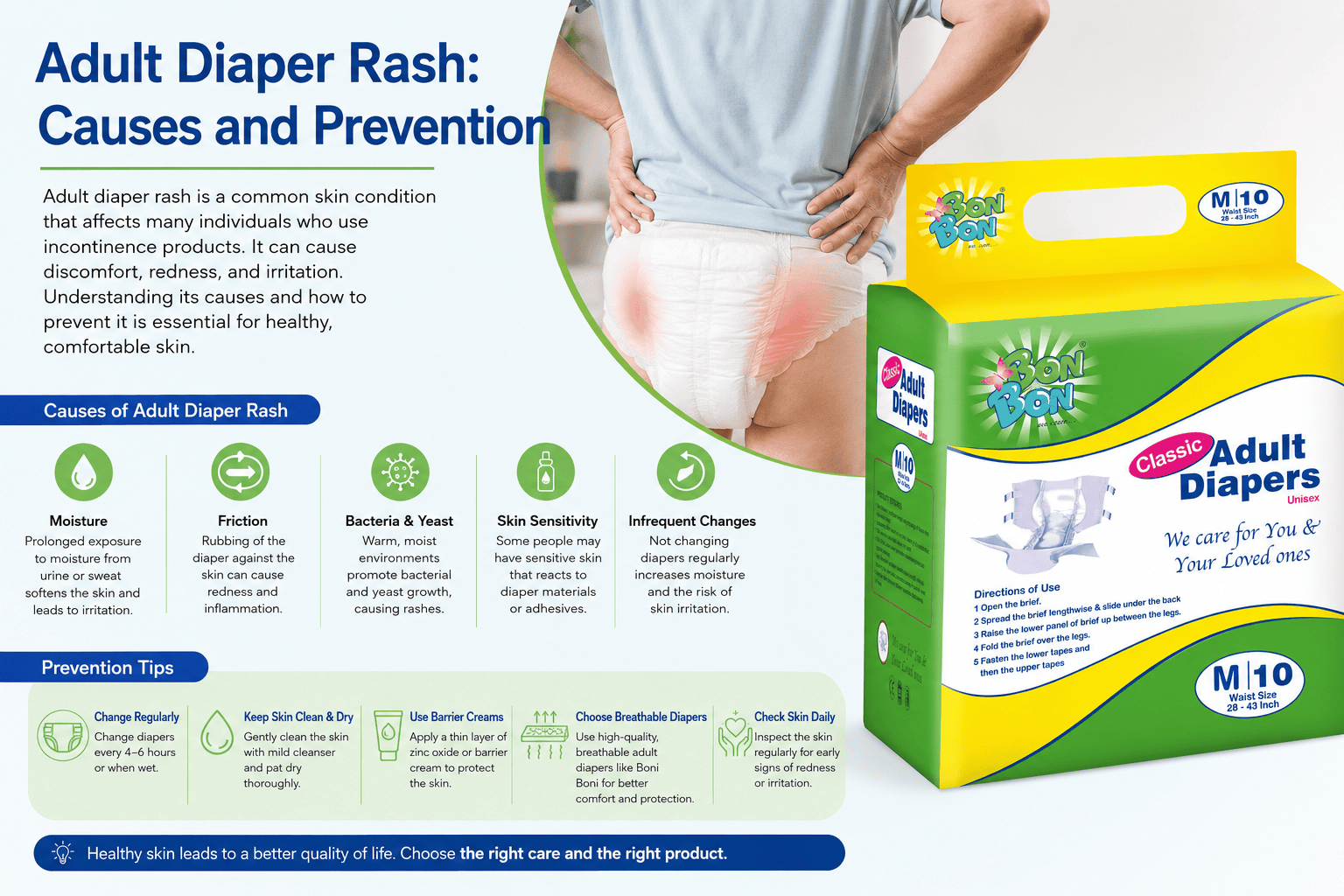
Adult Diaper Rash: Causes and Prevention
Adult diaper rash is an uncomfortable and sometimes painful condition that affects many individuals who use incontinence products regularly. Understanding why these rashes occur and learning effective prevention strategies can significantly improve comfort, skin health, and overall quality of life. Whether you’re a caregiver or someone managing urinary incontinence personally, this comprehensive guide will help you address and prevent diaper-related skin issues.
Understanding Adult Diaper Rash
Adult diaper rash, medically known as incontinence-associated dermatitis (IAD), is a skin irritation that develops when skin remains in prolonged contact with moisture, urine, or feces. The affected area typically appears red, inflamed, and may feel tender or painful to touch. Unlike infant diaper rash, adult cases often present additional challenges due to more sensitive aging skin, underlying health conditions, and prolonged periods of wear.
The condition can range from mild redness to severe inflammation with open sores or skin breakdown. Early identification and intervention are crucial to prevent the rash from progressing to more serious complications such as fungal infections, bacterial infections, or pressure ulcers. Many people feel embarrassed discussing this issue, but it’s important to recognize that diaper rash is a common medical concern that requires proper attention and care.
Primary Causes of Diaper Rash in Adults
Several factors contribute to the development of diaper rash in adults who use incontinence products:
- Prolonged moisture exposure: When skin remains wet for extended periods, the outer protective layer breaks down, making it vulnerable to irritation and damage
- Chemical irritation: Urine contains ammonia and other compounds that become increasingly irritating as they break down, especially when mixed with bacteria
- Friction: Constant rubbing between skin, diaper materials, and clothing can cause mechanical irritation and worsen existing inflammation
- Poor ventilation: Lack of airflow creates a warm, moist environment ideal for bacterial and fungal growth
- Infrequent changes: Waiting too long between diaper changes allows irritants to remain in contact with skin
- Skin pH changes: Exposure to urine and feces alters the skin’s natural acidic pH, compromising its protective barrier
- Inadequate cleaning: Improper hygiene practices during changes can leave residue that irritates skin
Additional risk factors include compromised immune systems, diabetes, nutritional deficiencies, certain medications, and pre-existing skin conditions. Understanding these causes helps identify which prevention strategies will be most effective for individual situations.
Effective Prevention Strategies
Preventing diaper rash requires a multi-faceted approach that addresses moisture management, hygiene, and skin protection:
Choose High-Quality, Absorbent Products
The foundation of rash prevention starts with selecting premium adult diapers designed for superior absorbency and moisture-wicking capabilities. BonBon Products specializes in high-absorbency, leak-proof adult diapers that keep skin drier for longer periods. Their skin-friendly materials are specifically engineered to reduce irritation while providing reliable protection throughout the day and night.
Look for products with breathable outer layers that allow air circulation while maintaining leak protection. The inner layers should quickly draw moisture away from skin and lock it into absorbent cores, preventing prolonged contact with wetness.
Change Frequently and Promptly
Establishing a regular changing schedule is crucial for maintaining skin health. Check diapers every 2-4 hours during the day, and immediately after bowel movements. Even highly absorbent products should be changed promptly when soiled to minimize skin exposure to irritants. Overnight, use products specifically designed for extended wear if changing during sleep is difficult. For more information on bladder health, consider reading about how long you can safely go without peeing.
Practice Proper Cleansing Techniques
During each change, gently cleanse the entire diaper area with lukewarm water and pH-balanced, fragrance-free cleansers designed for sensitive skin. Avoid harsh soaps, alcohol-based wipes, or products with artificial fragrances that can further irritate compromised skin. Pat the area dry completely—never rub—paying special attention to skin folds where moisture tends to accumulate.
Consider using soft washcloths or specialized cleansing foams rather than standard wet wipes, which may contain irritating ingredients. Allow the skin to air-dry for a few minutes if possible before applying new protection.
Apply Protective Barrier Creams
Moisture barrier creams create a protective layer between skin and potential irritants. Apply a thin layer of zinc oxide-based cream or petroleum jelly to clean, dry skin with each diaper change. These products repel moisture while allowing skin to breathe and heal. Avoid over-application, which can interfere with the diaper’s absorbency.
Lifestyle and Health Considerations
Overall health significantly impacts skin resilience and healing capacity. Maintaining good nutrition with adequate protein, vitamins (especially A, C, and E), and zinc supports skin health and repair. Stay well-hydrated—while it may seem counterintuitive, proper hydration actually improves skin integrity and function.
Physical activity promotes circulation, which enhances skin health and healing. According to NHS exercise guidance, regular movement appropriate to individual abilities supports overall wellbeing and can help maintain healthy skin. Even gentle activities like seated exercises or short walks can make a difference.
Managing underlying conditions like diabetes, obesity, or nutritional deficiencies with healthcare providers helps address root causes that may contribute to skin vulnerability. Certain medications can affect skin health, so discuss any concerns with medical professionals. For those dealing with related issues, managing frequent night urination can also be an important part of overall skin health and comfort.
When to Seek Medical Attention
While many cases of diaper rash respond to preventive measures and home care, certain symptoms warrant professional medical evaluation:
- Rash that doesn’t improve within 2-3 days of treatment
- Severe pain or discomfort that interferes with daily activities
- Signs of infection including increased warmth, swelling, pus, or fever
- Open sores, blisters, or bleeding areas
- Rash spreading beyond the diaper area
- Bright red patches with satellite lesions (indicating possible fungal infection)
Healthcare providers can prescribe medicated creams, antifungal treatments, or antibiotics when necessary. Don’t delay seeking help—early intervention prevents complications and promotes faster healing.
Conclusion
Adult diaper rash is a preventable and treatable condition when addressed with the right knowledge and products. By understanding the causes—primarily prolonged moisture exposure, chemical irritation, and friction—individuals and caregivers can implement effective prevention strategies. Selecting high-quality, absorbent products like those offered by BonBon Products, maintaining frequent changes, practicing proper hygiene, and using protective barriers form the cornerstone of prevention.
Remember that skin health reflects overall wellbeing. Combining excellent product selection with attentive care practices, proper nutrition, and appropriate medical consultation when needed ensures optimal comfort and dignity. With the right approach, adults using incontinence products can maintain healthy skin and enjoy improved quality of life without the discomfort of diaper rash.
