


Dark Yellow & Amber Urine: Causes, Dehydration Scale & Quick Remedies

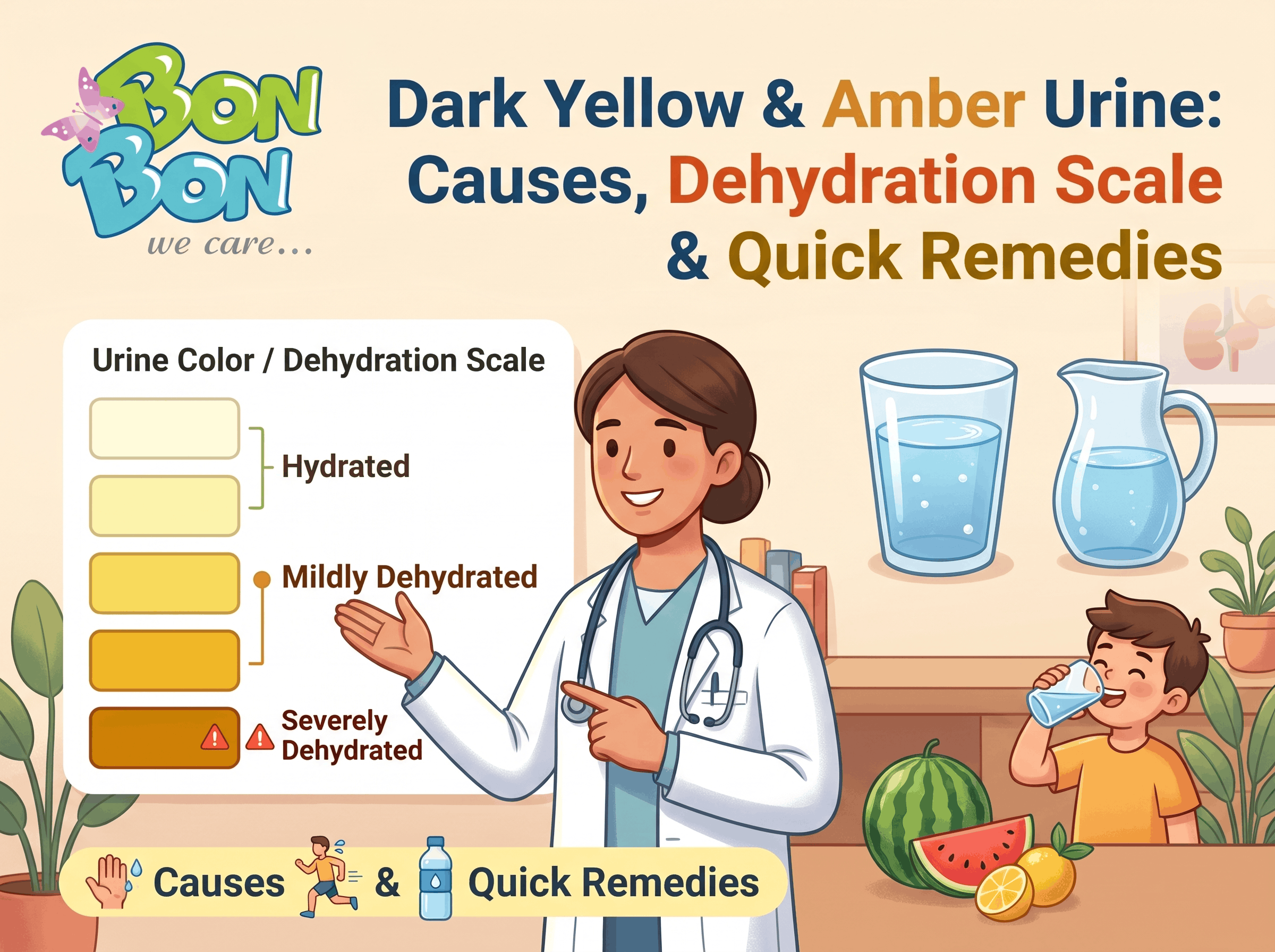
Understanding the primary dark yellow urine causes is essential to knowing whether your body simply needs hydration or if your kidneys and liver are signaling an underlying health issue. While healthy, well-diluted urine naturally ranges from clear to pale straw yellow, noticing a sudden transition into a deep mustard, amber, or golden tint is common across all age groups.
When assessing common dark yellow urine causes, acute dehydration accounts for over 80% of daily cases. When fluid intake drops or you sweat, your kidneys conserve water, concentrating the natural yellow pigment urochrome. Other frequent triggers include high-dose Vitamin B2 (Riboflavin) supplements, morning waste concentration, or antibiotics like nitrofurantoin. However, persistent amber urine accompanied by pale stools and yellow eyes signals excess bilirubin, requiring immediate medical evaluation.
Whether you are an active working adult dealing with dehydration or caring for an elderly parent, evaluating your symptoms against the clinical Armstrong 8-level hydration scale gives you clear, evidence-based answers.

The Clinical 8-Level Urine Color Chart for Dehydration
Urologists and sports clinicians rely on the validated Armstrong Urine Color Scale to determine hydration levels quickly without lab tests. Clinical details are documented in National Institutes of Health (NIH) research on urine concentration. Match your current stream color against the 8 levels below:
| Scale Level | Visual Appearance | Hydration State | Recommended Action |
|---|---|---|---|
| Level 1 | Clear / Very Pale Straw | Optimal Hydration | You are well hydrated. Maintain normal fluid intake. |
| Level 2 | Pale Straw Yellow | Ideal Hydration | Healthy, normal baseline for most adults. |
| Level 3 | Transparent Light Gold | Adequate Hydration | Sufficient hydration. Continue drinking water normally. |
| Level 4 | Deep Yellow | Mild Dehydration | Drink a large glass of water (250–300 ml) within the hour. |
| Level 5 | Dark Gold / Mustard | Moderate Dehydration | Drink 500 ml of water immediately. Common after outdoor work. |
| Level 6 | Amber / Honey Tint | Significant Dehydration | Rehydrate promptly. Your kidneys are working hard to conserve water. |
| Level 7 | Dark Amber / Burnt Orange | Severe Dehydration | Drink fluids with electrolytes (ORS, coconut water). Monitor closely. |
| Level 8 | Brown-Amber / Dark Tea | Critical Dehydration / Medical | Rehydrate immediately. If color persists past 24 hours, see a doctor. |
Want to compare all potential urine shades? Reference our comprehensive urine color chart guide for red, milky, green, and cloudy indicators.
Symptom Checker: What Is Causing Your Dark Yellow Urine?
Urine darkness stems from distinct chemical and biological triggers. Use this diagnostic matrix to identify your primary cause:
| Underlying Cause | Color Shade | Accompanying Symptoms | Urgency & Next Step |
|---|---|---|---|
| Dehydration (Low Fluids) | Deep gold to amber | Dry mouth, fatigue, headache, infrequent urination. | Low: Clears within 2 to 4 hours after drinking 500–1000 ml water. |
| Vitamin B2 (Riboflavin) | Bright, fluorescent neon yellow | None. Urine may appear almost luminous under light. | Harmless: Normal flushing of excess water-soluble vitamins. |
| Morning Concentration | Dark yellow with strong scent | More pungent odor upon waking; normalizes by midday. | Harmless: Overnight vasopressin conservation. Drink morning water. |
| Urinary Tract Infection (UTI) | Dark yellow + cloudy/turbid | Burning urination, pelvic pressure, frequent sudden urge. | Moderate: Consult a physician for a routine urine culture test. See our cloudy urine guide. |
| Liver or Bile Duct Issue | Dark amber to brownish tea | Pale/clay-colored stools, yellowish eyes/skin (jaundice). | High: Requires immediate liver function tests (LFTs) for bilirubinuria. |
The Top 5 Dark Yellow Urine Causes Explained
1. Dehydration: The Most Common of All Dark Yellow Urine Causes
Among all lifestyle-related dark yellow urine causes, insufficient fluid intake in hot climates is by far the most widespread. Your kidneys continuously filter metabolic byproducts from your bloodstream. One of the primary pigments produced from the natural breakdown of aged red blood cells is urochrome (also called urobilin). When you drink plenty of fluids, urochrome is diluted into a large volume of water, keeping urine pale. When you become dehydrated—whether due to high Indian summer heat, exercise, air-conditioned rooms, or fever—your pituitary gland releases antidiuretic hormone (ADH). This instructs the kidneys to reabsorb water back into your blood, packing urochrome into a minimal liquid volume and turning your urine deep yellow or amber.
2. Why First-Morning Urine Is Always Dark and Concentrated
Many people notice that their first bathroom trip after waking produces distinctly dark, pungent urine, even if they drank water before bed. While sleeping, your body enters a water-conserving metabolic state to prevent nighttime awakenings. Your glomerular filtration rate slows, and ADH levels peak. Consequently, waste products accumulate in the bladder in a highly concentrated form for 6 to 8 hours. Drinking 1 to 2 glasses of water upon waking quickly normalizes this.
3. The Vitamin B-Complex Effect (Neon Highlighter Yellow)
If you take daily multivitamins, energy capsules, or B-complex tablets (like Becosules, Neurobion, or zinc-vitamin supplements), you will often notice startlingly bright, almost fluorescent neon yellow urine within 1 to 2 hours. This is entirely caused by Vitamin B2 (Riboflavin). Riboflavin is a water-soluble micronutrient with an intensely yellow-orange fluorescent chemical structure. Because the human body cannot store water-soluble vitamins, any excess your cells do not immediately absorb is filtered out by the kidneys. It does not indicate kidney strain or nutrient wastage; it simply means your system has taken what it needs.
4. Prescription Medications
Several commonly prescribed pharmaceuticals alter urine hue as they are metabolized:
- Nitrofurantoin: A frontline antibiotic for UTIs that turns urine dark yellow or brownish.
- Metronidazole: An antimicrobial medication that darkens urine to amber or reddish-brown.
- Sulfasalazine: Used for ulcerative colitis and arthritis; imparts an orange-yellow tint.
- Senna-based laxatives: Herbal and pharmaceutical bowel cleansers that create deep yellow-brown hues.
Medical Dark Yellow Urine Causes: When It Is Not Just Dehydration
Liver, Gallbladder, or Bilirubin Leakage (Bilirubinuria)
Unlike harmless dark yellow urine causes such as vitamins or morning concentration, liver-related issues require prompt medical evaluation. If your urine turns a deep, tea-like amber or cola brown that does not improve after drinking 2 liters of water, the cause is often conjugated bilirubin. Under normal conditions, bilirubin (produced when red blood cells break down) is processed by the liver and excreted through bile into the intestines, giving stool its brown color. If the liver is inflamed (hepatitis, cirrhosis) or the bile ducts are obstructed (gallstones), water-soluble bilirubin backs up into the bloodstream. The kidneys filter this excess pigment into the urine, turning it dark amber long before visible yellowing of the skin or eyes (jaundice) appears.
The Dangerous Hydration Paradox: Why Drinking Less Water Causes More Leaks
Many older adults, men with prostate enlargement, and women with stress incontinence make the common mistake of intentionally restricting water intake to prevent leaks in public or during sleep.
Medical Fact: Depriving your body of water concentrates urine, making it highly acidic and loaded with mineral salts. This acidic waste directly irritates the sensitive lining of the bladder (the detrusor muscle), triggering involuntary bladder spasms, sudden uncontrollable urgency, and frequent leakage accidents.
Staying properly hydrated dilutes your urine, calms bladder spasms, and preserves kidney health. Pair healthy fluid habits with dependable protection:
Explore BonBon Pull-Up Diaper Pants (₹299)Discreet, cloth-soft 12-hour leak lock underwear designed for active men and women. Plain-box shipping with Cash on Delivery (COD) across India.
Fast Rehydration Protocol: Restoring Healthy Pale Yellow Urine
If your dark yellow urine is caused by dehydration, replenishing lost water and essential electrolytes restores your urine to a healthy Level 1–3 straw color within 2 to 4 hours. Follow these evidence-based hydration practices aligned with WHO oral rehydration formula guidelines:
- The 500 ml Jumpstart: Drink 500 ml (two standard glasses) of room-temperature plain water right away. Sip steadily rather than gulping to maximize cellular absorption.
- Electrolyte Replenishment (ORS): If dehydration is accompanied by heavy sweating, fatigue, or loose motions, drink one sachet of WHO-formula Oral Rehydration Salts (ORS) dissolved in 1 liter of clean water.
- Tender Coconut Water (Nariyal Pani): A natural isotonic drink packed with potassium, magnesium, and bioavailable sodium that alkalizes concentrated acidic urine.
- Unsweetened Chaas (Buttermilk): Traditional Indian buttermilk with a pinch of roasted cumin and salt replenishes fluid volume while soothing urinary tract warmth.
- Limit Diuretics: Temporarily cut down on strong chai, filter coffee, energy drinks, and alcohol. These compounds increase renal water loss, accelerating dehydration.
When to Seek Medical Attention
While dark yellow urine is usually benign and dehydration-related, consult a healthcare provider or urologist immediately if you observe any of the following warning signs:
- Dark yellow or amber urine that persists past 48 hours despite drinking 2.5 to 3 liters of water daily.
- Yellowing of the whites of your eyes or skin (jaundice), accompanied by persistent fatigue.
- Stools that appear chalky, pale, or clay-colored instead of normal brown.
- Severe burning sensation, fever, chills, or visible cloudiness during urination (signs of an active infection—read our cloudy urine guide).
- Urine turning pink, brownish-red, or containing visible blood clots (hematuria).
- Persistent, thick froth or beer-like bubbles that refuse to disperse upon flushing (signs of protein leakage—read our foamy urine guide).
Frequently Asked Questions About Dark Yellow Urine Causes
If your urine remains dark yellow despite drinking water, it may be due to high-dose B-complex vitamin supplements (especially Vitamin B2 / Riboflavin, which creates a bright neon yellow tint), medications like nitrofurantoin, or severe cellular dehydration that requires gradual, sustained rehydration over 24 to 48 hours. If accompanied by yellowing eyes or pale stools, it may indicate liver or bile duct issues.
Morning urine is naturally dark yellow and pungent because your body produces antidiuretic hormone (vasopressin) while you sleep to conserve water. Your kidneys filter metabolic waste into a smaller volume of fluid, creating a concentrated surge of urochrome pigment.
Dark yellow urine typically represents moderate dehydration where urochrome pigment is concentrated. Amber or honey-colored urine indicates severe dehydration (Levels 6 to 8 on the Armstrong scale) or the presence of excess bilirubin from liver or gallbladder conditions.
Yes. Highly concentrated, dark yellow urine has elevated acidity and concentrated mineral waste that irritates the bladder lining (detrusor muscle). This can trigger involuntary bladder spasms, sudden urgency, and urge incontinence, especially in older adults.
Yes. Vitamin B2 (Riboflavin) is water-soluble. When your body absorbs what it needs from a multivitamin or B-complex capsule, the excess is excreted harmlessly by the kidneys, tinting urine a vivid, fluorescent or neon yellow.
You should see a doctor immediately if your dark urine does not lighten after 24 to 48 hours of proper hydration, or if it is accompanied by yellowing of the skin or eyes (jaundice), pale or clay-colored stools, burning pain during urination, fever, or pain in your lower back and abdomen.
- Master Diagnostic Hub: Urine Color Chart: What Your Pee Color Means (Doctor-Reviewed)
- Cloudy & Murky Pee: Cloudy Urine Causes, Pus Cells & Infection Signs
- Foam & Frothiness: Foamy & Bubbly Urine: Causes, Proteinuria & Kidney Care
- Bladder Incontinence: Understanding Urinary Incontinence Types & Practical Management
- Senior Care Protection: Discreet Adult Diapers for Men | Comfort Diapers for Women
