


Clear Urine Causes: Why Is My Pee Clear Like Water?

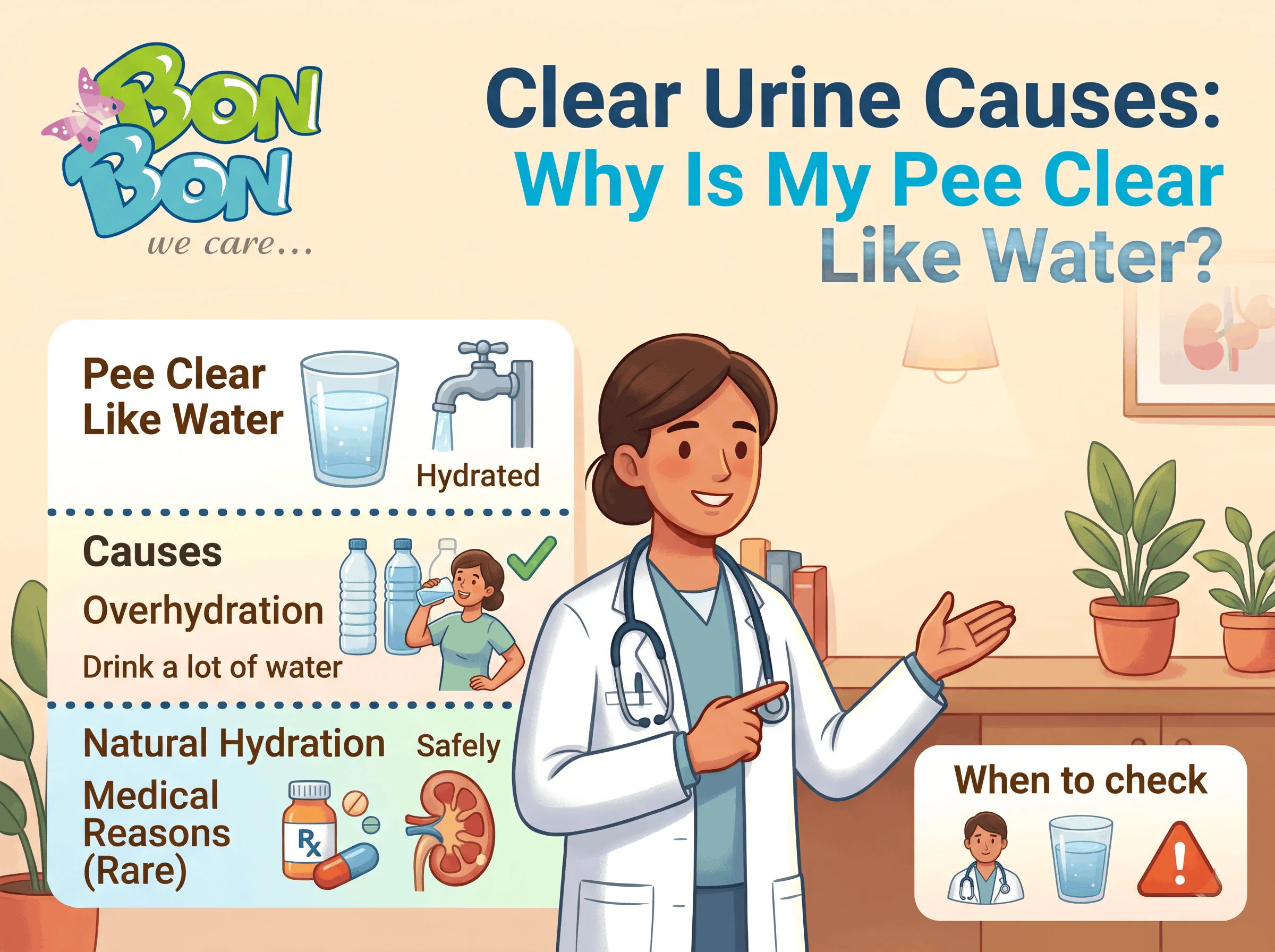
Why Is My Urine Clear Like Water?
Clear urine causes primarily trace back to drinking excessive fluids, which dilutes the natural yellow pigment (urochrome). While occasional clear pee reflects robust hydration, persistent water-like, colorless urine is not always a sign of peak health. Medically, chronic clear urine stems from five distinct factors:
- Overhydration (Water Intoxication): Consuming far more water than your kidneys can excrete, which washes out vital sodium and electrolytes (triggering mild to severe hyponatremia).
- Diabetes Mellitus (High Blood Sugar): Uncontrolled glucose overflows into renal tubules, pulling large volumes of water through osmotic diuresis and producing excessive, clear urine (polyuria).
- Diabetes Insipidus: A hormone or kidney disorder (unrelated to blood sugar) where deficiency or resistance to vasopressin (Antidiuretic Hormone / ADH) forces the body to expel 3 to 15+ liters of dilute urine daily.
- Diuretic Medications (“Water Pills”): Blood pressure and heart medications (such as Furosemide or Torsemide) designed to flush excess fluid and sodium from the bloodstream.
- Kidney Concentrating Defects: Damaged renal tubules (interstitial nephritis or early chronic kidney damage) losing their physiological ability to concentrate urine.
Clinical Benchmark: Healthy urine is pale straw or light transparent yellow. If your urine looks 100% colorless like plain tap water for days without heavy fluid drinking, consult a doctor to evaluate blood glucose and kidney function.
Many fitness enthusiasts and wellness advocates believe that passing 100% water-clear urine is the gold standard of bodily cleanliness. However, urologists and nephrologists caution that continuously transparent, water-like urine means your kidneys are continuously filtering hypoosmolar fluid, stripping crucial sodium, potassium, and magnesium salts from your vascular system.
Furthermore, when high urine output causes rapid bladder filling, individuals frequently suffer from acute urinary frequency, sudden urge leaks, and disrupted sleep. This medical guide explores the primary clear urine causes, breaks down why your pee might look clear even without drinking excess water, and provides practical solutions for managing involuntary leaks.
Master Diagnostic Matrix: Differentiating Clear Urine Causes
To determine whether your clear urine is harmless hydration or a signal of an endocrine or renal condition, evaluate your daily fluid intake against accompanying symptoms:
| Underlying Cause | Daily Water Intake | Distinct Accompanying Clues | Key Medical Test |
|---|---|---|---|
| Excess Hydration (Overhydration) | Very High (>3.5 to 5 liters/day) | Bloating, lightheadedness, nausea, no genuine thirst, peeing every 30–45 mins | Urine Specific Gravity (< 1.005), Serum Sodium |
| Diabetes Mellitus (Type 1 or 2) | High (Compensatory thirst) | Unquenchable thirst (polydipsia), unexplained weight loss, fatigue, constant hunger | Fasting Blood Sugar (FBS > 126 mg/dL), HbA1c, Urine Glucose |
| Diabetes Insipidus (Central / Nephrogenic) | Extremely High (Craving ice water) | Enormous urine output (4 to 15+ liters/day), relentless dry mouth, severe nocturia | Water Deprivation Test, Serum Coprecision, ADH / Vasopressin Levels |
| Prescription Diuretics (“Water Pills”) | Normal to Moderate | Started BP/heart medication (Lasix/Torsemide), rapid leg swelling reduction | Medication review, Serum Potassium & Renal Panel (KFT) |
| Kidney Concentrating Dysfunction | Normal (1.5 to 2.5 liters/day) | Pee stays clear even during morning wake-up; mild puffiness, elevated blood pressure | Serum Creatinine, Blood Urea Nitrogen (BUN), eGFR, Urine Osmolality |
Hydration Spectrum: Where Does Your Urine Shade Belong?
1. Completely Clear / Colorless (Overhydrated)
Lacks all visible urochrome pigment. You are drinking more fluid than your kidneys require. While not an emergency for an afternoon, prolonged water-clear urine flushes sodium reserves. Scale back your daily intake by 2–3 glasses until a light straw tint reappears.
2. Pale Straw to Transparent Light Yellow (Optimal Benchmark)
The clinical sweet spot of healthy hydration. This shade confirms that metabolic waste is actively leaving the body without over-diluting blood electrolytes. Strive to keep your urine in this range throughout the day.
3. Bright or Neon Yellow (Harmless Vitamin Spill)
Often mistaken for an infection, bright fluorescent yellow urine is simply the body discarding excess water-soluble Vitamin B2 (Riboflavin) from multivitamin tablets or energy drinks.
4. Amber to Honey Yellow (Dehydrated)
Concentrated urine signaling that your body is holding onto water. If your urine deepens into dark tea or brown tones, explore our complete guides on dark yellow amber urine causes or brown urine causes and liver signs.
“Why Is My Urine Clear Even When I Don’t Drink Water?”
One of the most perplexing symptoms patients experience is passing clear, water-like urine despite drinking very little fluid throughout the day. If you have not consumed extra liquids but your pee looks like plain water, this points toward physiological or medical conditions that block the kidneys from reabsorbing water:
- High Blood Sugar Dumping (Osmotic Polyuria): In undiagnosed or uncontrolled diabetes mellitus, blood glucose levels rise above the renal threshold (~180 mg/dL). The kidneys cannot reabsorb the excess sugar, so glucose spills into the urine. Sugar is an osmotic agent—it forcibly pulls water from your tissues into the bladder, producing copious clear urine even when you are mildly dehydrated.
- Deficiency of Antidiuretic Hormone (Diabetes Insipidus): The pituitary gland produces vasopressin (ADH), which tells kidney tubules to conserve water. If the brain produces too little ADH (Central DI) or kidney receptors ignore ADH (Nephrogenic DI), the water valves remain wide open, pouring out crystal-clear urine nonstop.
- Diuretics and Caffeine Consumption: Strong black coffees, green teas, or prescription diuretic tablets force sodium and water excretion, producing clear urine even on low fluid intake.
- Chronic Kidney Tubular Damage: Aging or scarred renal tubules (interstitial nephritis) lose their concentrating power (hyposthenuria). The kidneys produce dilute, low-specific-gravity urine regardless of how thirsty you are.
The Top 5 Causes of Clear Urine Explained
1. Overhydration & Hyponatremia (Water Intoxication)
Drinking 4 to 6 liters of plain water daily without replenishing electrolytes disrupts the delicate osmotic balance in your blood. When serum sodium drops below 135 mEq/L (hyponatremia), water rushes into cells, causing cellular swelling. Symptoms include morning headaches, brain fog, muscle cramping, and nausea. In extreme endurance athletes, rapid overhydration can cause cerebral edema.
2. Diabetes Mellitus (Types 1, 2, and Gestational)
Frequent, clear urination (polyuria) paired with intense unquenchable thirst (polydipsia) is the classic hallmark of diabetes. Because the body is shedding sugar through urine, patients often experience sudden weight loss and daytime lethargy. Learn how high sugar affects bladder nerves in our guide on diabetes and urinary incontinence.
3. Diabetes Insipidus (The Rare Water Imbalance Disorder)
Completely unrelated to blood sugar or insulin, Diabetes Insipidus is a neuro-renal fluid regulation disorder. Patients void between 3 and 20 quarts (liters) of water-clear urine each day and crave ice-cold liquids. It can stem from head trauma, pituitary surgery, genetic defects, or lithium medication use.
4. Prescription Diuretics (“Water Pills”)
Doctors prescribe diuretics—including Furosemide (Lasix), Torsemide, Hydrochlorothiazide, and Spironolactone—to treat hypertension, congestive heart failure, and liver ascites. By triggering rapid water excretion, these medications produce large volumes of transparent, clear urine within 1 to 4 hours of dosing.
5. Pregnancy Hormones and Renal Hyperfiltration
During pregnancy, blood volume expands by up to 50%, causing the kidneys to filter fluid at significantly higher rates. In addition, placental enzymes can temporarily break down vasopressin, leading to transient gestational diabetes insipidus and frequent clear urination.
- Passing more than 3 to 4 liters of urine daily for more than 48 hours without heavy drinking.
- Persistent water-clear urine accompanied by intense, unquenchable thirst or dry mouth.
- Severe fatigue, mental confusion, headaches, or muscle twitching (signs of hyponatremia).
- Waking up 3 or more times every night to pass large volumes of clear pee (nocturia).
- Developing sweet-smelling urine or sudden unintentional weight loss.
Medical Tests: How Doctors Investigate Clear Urine in India
If clear urine is persistent, physicians run simple diagnostic tests to differentiate benign hydration from endocrine or kidney conditions:
| Investigation | Normal Healthy Range | Clear Urine Finding | Clinical Meaning |
|---|---|---|---|
| Urine Specific Gravity (USG) | 1.010 – 1.025 | < 1.005 (Hyposthenuria) | Indicates completely dilute urine from overhydration or Diabetes Insipidus. |
| Fasting Blood Sugar & HbA1c | FBS < 100 mg/dL; HbA1c < 5.7% | FBS > 126 mg/dL; HbA1c > 6.5% | Confirms Diabetes Mellitus triggering osmotic glucose polyuria. |
| Serum Electrolytes (Sodium / Na+) | 135 – 145 mEq/L | < 135 mEq/L (Hyponatremia) | Proves excessive fluid consumption is diluting essential blood salts. |
| Routine Urinalysis | Negative for Glucose & Protein | Positive for Glucose; trace protein | Detects renal sugar leakage or early glomerular damage. |
| Urine Osmolality | 500 – 800 mOsm/kg | < 200 mOsm/kg | Definitively confirms impaired renal concentration ability. |
Managing High Urinary Frequency & Involuntary Bladder Leaks
When the kidneys continuously produce large volumes of clear, dilute urine, the bladder fills rapidly every 30 to 60 minutes. This constant pressure triggers acute urge frequency, daytime leakage when coughing or walking, and exhausting sleep interruptions (nocturia):
To understand clinical incontinence types on lab reports, read our complete guide on incontinence meaning and medical definitions.
- For Active, Walking Adults: If frequent clear urination causes accidental leaks during commutes, meetings, or social outings, switch to BonBon Pull-Up Diaper Pants. Built with a 360° elastic waistband and a high-capacity Japanese SAP core (1,000–1,600 ml), they wear just like regular underwear while delivering 10–12 hours of discreet, leak-free security.
- For Bedridden or Nighttime Care: If high fluid volume causes heavy overnight bed leaks, use BonBon 12-Hour Tape Diapers. Refastenable side tabs and wetness indicators allow easy, clean changes without painful lifting. Read our bedridden patient care guide.
- Need Help Deciding Between Styles? Compare pros and cons in our clinical analysis of tape style vs pull-up adult diapers.
- Brand Price & Quality Comparison: Discover how BonBon’s factory-direct pricing (₹27–₹33/piece) compares with Friends, Lifree, and KareIn in our review of the best adult diaper brands in India.
- Waking Frequently at Night? Explore medical solutions in our guide to frequent urination at night (nocturia).
