


Urine Infection Foods to Eat & Avoid: Complete Indian UTI Diet Guide

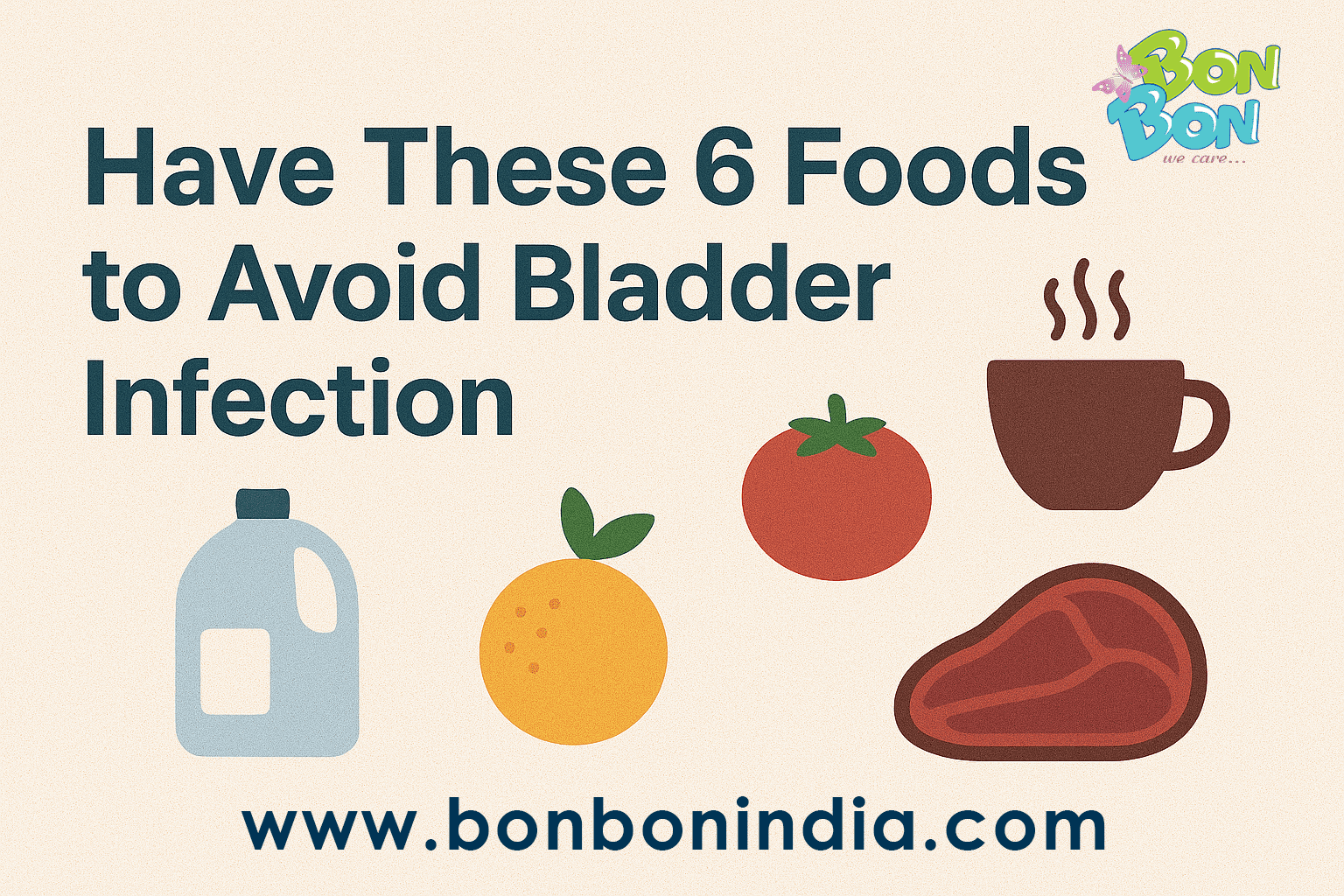
When managing an active urinary tract infection, avoid foods and drinks that irritate the inflamed bladder lining or feed bacteria: (1) Caffeinated drinks (coffee, strong chai, energy drinks), (2) Spicy foods (green/red chilies, garam masala), (3) Acidic citrus fruits (oranges, lemons, raw mosambi), (4) Refined sugars & sweets, (5) Carbonated sodas (Limca, cola), (6) Alcohol, (7) Artificial sweeteners, and (8) Tomato-based gravies. These worsen urinary burning, urgency, and pelvic pain.
To soothe burning and accelerate healing, eat cooling, alkaline, and probiotic-rich foods: (1) Tender coconut water (*Nariyal Pani*), (2) Barley water (*Jau ka Pani*), (3) Fresh homemade curd (*Dahi*) & plain buttermilk (*Chhaas*) rich in Lactobacillus, (4) Water-rich gourd vegetables (bottle gourd/lauki, cucumber/kheera, torai), (5) Non-acidic fruits (ripe papaya, bananas, sweet apples), (6) Mild whole grains (moong dal khichdi, dalia), and (7) Unsweetened cranberry juice to stop E. coli from sticking to the bladder wall.
A urinary tract infection (UTI) causes intense discomfort—a persistent urge to pee, lower abdominal cramping, and a painful burning sensation during urination. In India, acute UTIs are among the most common reasons patients seek urgent nephrology and urology consultations.
While prescription antibiotics are essential to eradicate bacterial pathogens like Escherichia coli and Klebsiella pneumoniae, your daily diet directly controls your recovery speed. Certain foods act like fuel on a fire, irritating the inflamed urothelium. Other foods neutralize urine acidity, flush out harmful microbes, and soothe burning sensations within hours.
As part of our clinical diagnostic series—including our guides on cloudy urine and pus cells, our master urine color chart, and our targeted list of 6 foods to avoid for bladder infection—this evidence-based Indian diet guide explains what foods to avoid, what to eat, answers specific kitchen ingredient queries (eggs, curd, papaya, mango), and provides a complete 1-day meal plan.
Foods to Avoid with UTI vs. Foods to Eat: Quick Reference Chart
Use this quick clinical reference table to guide your grocery shopping and meal preparation during an active urine infection:
| Food Category | ❌ Foods to Strictly Avoid (Bladder Irritants) | ✅ Foods to Eat Freely (Healing & Soothing) |
|---|---|---|
| Hydration & Beverages | Strong chai, coffee, energy drinks, alcohol, carbonated fizzy sodas (Limca, colas) | Tender coconut water, barley water (*jau ka pani*), coriander seed water, plain water (2.5–3L) |
| Dairy & Probiotics | Heavy cream, full-fat aged cheese, sweetened flavored yogurt, condensed milk | Fresh homemade curd (*dahi*), unsalted buttermilk (*chhaas*), light paneer in moderation |
| Fruits | Oranges, lemons, raw limes, sour mosambi, raw mango (*kaccha aam*), grapefruits | Sweet papaya, ripe bananas, sweet red apples, watermelon, pears, unsweetened cranberry |
| Vegetables & Gravies | Spicy curries, raw chilies, tomato ketchup, acidic tomato gravies, hot pickles (*achaar*) | Bottle gourd (*lauki*), ridge gourd (*torai*), cucumber (*kheera*), pumpkin, boiled potatoes |
| Proteins | Deep-fried chicken, heavily spiced mutton, processed sausages, spicy egg curries | Boiled eggs (mildly salted), plain moong dal, masoor dal, steamed tofu, light fish |
| Grains & Carbohydrates | Refined flour (*maida*), samosas, bhature, white bakery bread, sugary pastries | Moong dal khichdi, broken wheat dalia, soft poha, oats, brown rice, jowar rotis |
High-Risk Group Alert: Pregnant women have a naturally higher risk of urinary infections due to progesterone relaxing the ureters. Explore our full breakdown of pregnancy urine color signs to spot early UTI discoloration before symptoms worsen.
Urine Infection Foods to Avoid: Bladder Irritants That Worsen Burning
When your urinary tract is infected, the mucosal protective layer (glycosaminoglycan layer) of the bladder is stripped away. Consuming irritating compounds directly inflames raw nerve endings, triggering severe frequency and burning. For a focused checklist, see our companion guide on the 6 foods to avoid for bladder infection.
STRICTLY AVOID1. Caffeine: Strong Chai, Coffee & Energy Drinks
Caffeine is a potent central nervous system stimulant and diuretic. It forces bladder smooth muscles (the detrusor muscle) to contract erratically, increasing spasms, urinary urgency, and painful cramping.
In India, habitual morning and evening cutting chai or filter coffee must be paused during an infection. Replace them with lukewarm water or cooling herbal infusions like cumin-coriander tea.
STRICTLY AVOID2. Spicy Indian Masalas, Red Chili Powder & Green Chilies
Capsaicin—the active chemical in chilies, black pepper, and spicy garam masala—is excreted directly through the urinary tract. When spicy urine contacts raw, infected bladder tissue, it produces an agonizing burning sensation (*dysuria*).
Switch completely to mildly seasoned, home-cooked food prepared with cumin seeds (*jeera*), turmeric (*haldi*), and coriander powder (*dhaniya*).
STRICTLY AVOID3. Citrus Fruits & Acidic Juices (Oranges, Lemons, Mosambi)
Patients often believe drinking lemon water or orange juice helps because of vitamin C. However, during an active infection, high concentrations of citric acid drastically lower urine pH, intensifying burning pain.
Save citrus fruits for post-recovery prevention. During active burning, obtain antioxidants from non-acidic sources like papaya and apples.
STRICTLY AVOID4. Sugary Foods, Sweets (Mithai) & Refined Flour (Maida)
Uropathogenic bacteria, particularly E. coli, utilize glucose as their primary fuel for rapid proliferation. High blood sugar spikes—caused by eating sweets, bakery cakes, biscuits, and refined maida—spill trace glucose into urine, accelerating bacterial colonization.
STRICTLY AVOID5. Carbonated Fizzy Sodas & Artificial Sweeteners
Commercial sodas like Limca, lemon sodas, and colas deliver a triple blow: carbonic acid, high sugar, and synthetic preservatives. Furthermore, artificial sweeteners (such as aspartame and saccharin) are proven chemical urothelial irritants.
STRICTLY AVOID6. Alcohol & Commercial Pickles (Achaar)
Alcohol causes rapid systemic dehydration, concentrating urine and turning it into a hyper-osmolar irritant. Indian pickles (*achaar*), packed with high sodium, raw mustard oil, and red chilies, severely aggravate kidney filtration.
Urine Infection Foods to Eat: Fast Natural Recovery & Healing
To clear an infection quickly, your diet should concentrate on three goals: diluting urine, alkalizing pH, and rebuilding healthy microflora. Along with modifying your daily meals, incorporating therapeutic hydration drinks helps flush bacteria faster; explore our complete clinical guide to urine infection home remedies for the best soothing herbal flush drinks.
EAT DAILY1. Tender Coconut Water (*Nariyal Pani*)
Fresh coconut water is India’s most effective natural electrolyte beverage for bladder care. Rich in potassium and natural minerals, it alkalizes acidic urine, immediately soothing painful burning sensations while promoting healthy diuresis.
Drink 1 to 2 glasses of fresh tender coconut water daily, preferably between meals during mid-morning.
EAT DAILY2. Barley Water (*Jau ka Pani*)
Barley water has been prescribed in traditional Indian and clinical medicine for centuries. It acts as a gentle, natural diuretic that washes out pathogenic bacteria and urinary sediment without placing stress on the kidneys.
Preparation Tip: Boil 2 tablespoons of barley grains in 4 cups of water for 20 minutes. Strain, cool, and sip throughout the afternoon.
EAT DAILY3. Fresh Curd (*Dahi*) & Plain Buttermilk (*Chhaas*)
Fresh homemade curd is loaded with live Lactobacillus probiotic cultures. These beneficial bacteria produce lactic acid and hydrogen peroxide, restoring the healthy acidic defense barrier of the vaginal and gastrointestinal tract and preventing bad bacteria from ascending into the urethra.
Consume a bowl of fresh, unsweetened dahi with lunch, or drink a glass of light buttermilk seasoned with roasted cumin powder.
EAT DAILY4. Water-Rich Gourd Vegetables (Lauki, Torai, Kheera)
Vegetables like bottle gourd (*lauki*), ridge gourd (*torai*), tinda, and cucumbers consist of over 92% structured water. They are low in oxalates, easy to digest, and keep your urinary tract cool and hydrated without creating metabolic waste.
EAT DAILY5. Unsweetened Cranberry Juice
Pure cranberry juice contains active compounds called A-type proanthocyanidins (PACs). These phytochemicals prevent the tiny hair-like tentacles (*fimbriae*) of E. coli bacteria from sticking to the mucosal walls of your bladder, allowing them to be flushed out easily during urination.
Ensure the juice is 100% pure and unsweetened. Sugary commercial cranberry cocktails do more harm than good.
“Can I Eat This During a UTI?” Indian Food Quick-Checker
Patients frequently search for specific kitchen foods during an infection. Here is the clinical urological verdict on everyday Indian staples:
| Food Item | Safety Status | Clinical Reason & How to Consume |
|---|---|---|
| Eggs (Boiled / Poached) | SAFE | Eggs are an excellent, mild, high-biological-value protein that does not irritate the bladder. Eat hard-boiled eggs or mild omelets; avoid greasy, heavily spiced egg curries. |
| Curd (*Dahi*) & *Chhaas* | HIGHLY BENEFICIAL | Natural probiotic cultures (*Lactobacillus*) support gut-bladder immunity. Consume fresh and unsweetened; avoid sour or refrigerated overnight curd. |
| Papaya | SAFE | Low in acidity and rich in digestive papain enzymes and vitamin A. Soothes inflammation without irritating the urinary lining. |
| Bananas | SAFE | Completely non-acidic, rich in potassium, and gentle on both stomach and bladder. Excellent morning fruit. |
| Grapes | MODERATION | Sweet black or green grapes in small portions are fine. Strictly avoid sour grapes that contain sharp tartaric and citric acids. |
| Pineapple | CAUTION | Contains bromelain, which reduces inflammation, but its citric and malic acid content can cause burning in severe UTIs. Test a small piece first. |
| Mango | MODERATION | Sweet, fully ripe mango is safe in small servings. Avoid raw sour mango (*kaccha aam*), aam panna, or mango pickles. |
| Oranges & Sweet Lime (*Mosambi*) | AVOID DURING ACTIVE UTI | High citric acid content significantly worsens dysuria and burning sensations during active infections. Resume only after full recovery. |
| Limca, Soda & Packaged Juices | STRICTLY AVOID | Carbonic acid and high sugar content irritate the bladder and fuel bacterial multiplication. |
Pus Cells in Urine: Normal Range & Dietary Management
When patients undergo a routine urine microscopy examination during an infection, the lab report often displays elevated pus cells (white blood cells/leukocytes):
- Normal Benchmark: 0 to 5 HPF (High Power Field) is considered normal.
- Mild Inflammation: 5 to 10 HPF suggests early bladder irritation or dehydration.
- Active Infection (Pyuria): 15 to 20+ HPF (or “plenty/innumerable”) indicates an acute bacterial infection requiring antibiotic therapy.
While antibiotics eradicate the invading bacteria, high-volume alkaline hydration is the fastest natural way to reduce pus cell concentration. Drinking barley water, tender coconut water, and plain boiled water increases urine output, mechanically flushing out dead white blood cells and cellular debris so your urine returns to its healthy, clear straw-yellow state.
If your urine remains murky, whitish, or cloudy despite medication, review our detailed guide on milky white urine causes and chyluria or see our guide on foamy urine causes.
Indian UTI Diet Chart: 1-Day Meal Plan for Urine Infection Recovery
Here is a balanced, nourishing daily meal schedule designed specifically for Indian kitchens to calm bladder burning and promote healing:
| Meal Time | Recommended Meal / Fluid | Clinical Purpose |
|---|---|---|
| Early Morning (6:30 – 7:00 AM) | 1 glass of warm water + 1 glass of soaked coriander-cumin seed (*dhaniya-jeera*) water | Neutralizes overnight acidic buildup and gently stimulates renal filtration. |
| Breakfast (8:30 – 9:00 AM) | Moong dal chilla with light mint chutney, or vegetable dalia / soft oats poha + 1 boiled egg white | Light, high-fiber, non-irritating complex carbs and clean protein. |
| Mid-Morning (11:00 AM) | 1 fresh tender coconut water (*nariyal pani*) or 1 glass of barley water (*jau ka pani*) | Natural potassium-rich electrolytes to relieve mid-morning urinary burning. |
| Lunch (1:00 – 1:30 PM) | 2 soft phulkas (or boiled rice) + yellow moong dal + bottle gourd (*lauki*) sabzi + 1 small bowl of fresh curd (*dahi*) | Alkaline, cooling gourd hydration and probiotic gut flora support. |
| Evening Snack (4:30 – 5:00 PM) | 1 bowl of fresh diced sweet papaya or watermelon + a handful of roasted unsalted makhana (foxnuts) | Hydrating, antioxidant-rich, enzyme-friendly snack without caffeine. |
| Dinner (7:30 – 8:00 PM) | Warm moong dal khichdi prepared with bottle gourd and a pinch of turmeric + cucumber slices | Ultra-gentle on digestive and urinary tracts; ensures restful night sleep without spasms. |
| Bedtime (9:30 PM) | 1 glass of lukewarm plain water | Maintains overnight hydration balance without overloading the bladder. |
Dietary modifications support healing, but they do not replace antibiotic therapy. Contact a hospital or doctor immediately if you notice:
- High fever with shivering and chills (signals acute kidney infection / pyelonephritis).
- Visible red or cola-colored blood in your urine (see our guide to blood in urine causes).
- Severe, sharp pain in your mid-back or flank area.
- Complete inability to pass urine despite severe pressure.
- Symptoms lasting more than 48 hours without improvement.
Managing Severe Urinary Urgency, Frequency & Bladder Leaks
During an active urinary tract infection, severe bladder spasms can cause uncontrollable urgency and sudden involuntary leakage—a condition known as urge incontinence. For senior citizens, post-menopausal women, and bedridden hospital patients, managing constant trips to the washroom while experiencing acute pain is physically exhausting and increases fall risks.
Infected, concentrated urine is full of caustic ammonia and bacterial enzymes that quickly break down fragile skin, causing painful rashes and dermatitis. BonBon Products provides medical-grade protection designed specifically to handle heavy, rapid bladder voids:
Engineered with an Advanced High-Absorbency Japanese SAP (Super Absorbent Polymer) Core, breathable cottony backsheet, and dual-layer leak guards, BonBon pull-up and tape-style diapers lock moisture away from vulnerable skin and neutralize sharp ammonia smells. Learn more in our clinical guide on tape-style vs pull-up adult diapers or explore our comprehensive bedridden patient care guide.
Frequently Asked Questions on Urine Infection Diet
Explore Our Complete Clinical Urine & Bladder Health Library
Urinary changes provide vital clues about your internal health. Explore our doctor-reviewed clinical guides across the urinary spectrum:
- Master Urine Color Chart: Doctor-Reviewed Visual Hydration & Health Guide
- Cloudy Urine & Pus Cells: Causes, Urinalysis pH, Crystals & Treatment
- Milky White Urine Causes: Chyluria, Phosphaturia, Male & Female Remedies
- Clear Urine Causes: Why Is My Pee Clear Like Water & Overhydration Risks
- Dark Yellow & Amber Urine: Dehydration, Summer Heat & Home Remedies
- Orange Urine Causes: Liver, Bile Congestion, Medications & Remedies
- Brown & Tea-Colored Urine: Rhabdomyolysis, Liver Disease & Kidney Warnings
- Foamy & Bubbly Urine: Kidney Disease, Proteinuria vs. Normal Bubbles
- Blood in Urine (Hematuria): Infection, Kidney Stones & Critical Warning Signs
- 6 Foods to Avoid Bladder Infection: Targeted Dietary Checklist for UTI Prevention
