

Understanding Less Urine Output and Incontinence

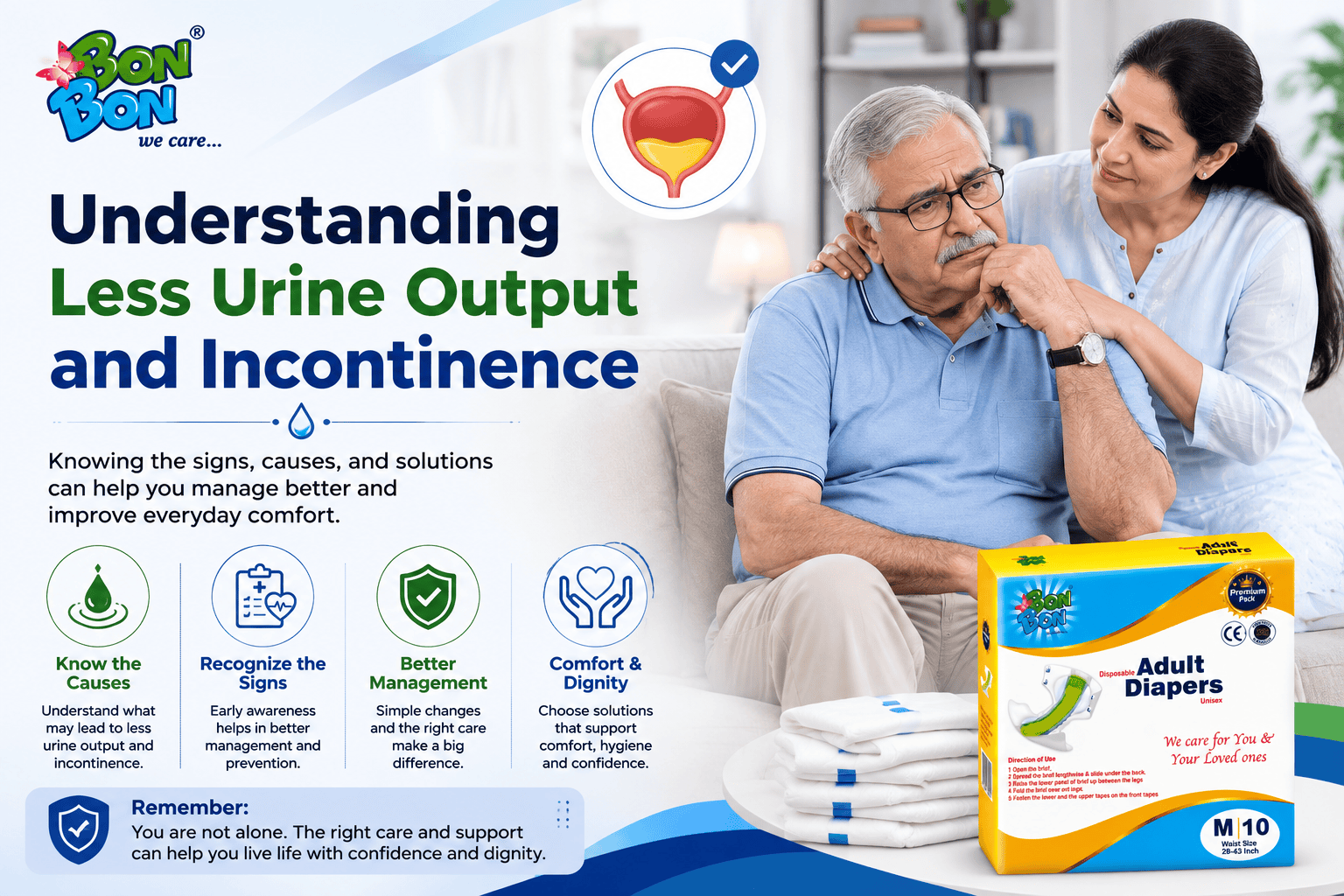
Understanding Less Urine Output and Incontinence
Many adults experiencing urinary incontinence or changes in bladder function notice variations in urine output throughout their day. While decreased urine production can sometimes be a normal response to hydration levels or physical activity, it’s important to understand the various factors that influence urination patterns and how to manage them effectively. Whether you’re dealing with incontinence yourself or caring for someone who is, understanding less urine output helps ensure proper health management and comfort.
What Causes Decreased Urine Output
Decreased urine output, medically known as oliguria, can result from several factors. The most common cause is simply inadequate fluid intake, where your body produces less urine because you’re not drinking enough water. However, other factors can contribute to reduced urine production as well.
Dehydration remains the primary culprit for less urine. When your body lacks sufficient fluids, it conserves water by producing less urine. This is particularly common among older adults who may have a diminished sense of thirst or who intentionally limit fluids due to incontinence concerns. Ironically, restricting fluids to avoid incontinence episodes can actually worsen the problem by creating concentrated urine that irritates the bladder.
Medications also play a significant role in urine production. Certain drugs, including some blood pressure medications, antihistamines, and antidepressants, can affect kidney function and reduce urine output. If you’ve noticed changes in urination after starting a new medication, consult your healthcare provider about potential adjustments.
Medical conditions affecting kidney function, such as kidney disease, urinary tract infections, or prostate issues in men, can lead to decreased urine output. Additionally, conditions causing fluid retention, like heart failure or liver disease, may result in less frequent urination as the body holds onto fluids.
The Connection Between Hydration and Incontinence
Many people with urinary incontinence make the mistake of drinking less water, hoping to reduce bathroom trips and leakage incidents. While this might seem logical, inadequate hydration can actually aggravate incontinence symptoms and create additional health problems.
When you don’t drink enough fluids, your urine becomes highly concentrated. This concentrated urine is more acidic and can irritate the bladder lining, potentially triggering urgency and more frequent incontinence episodes. The bladder becomes hypersensitive, creating a cycle where limiting fluids actually increases problems rather than solving them.
Proper hydration helps maintain bladder health by flushing out bacteria and diluting urine to reduce irritation. Most adults should aim for approximately six to eight glasses of water daily, though individual needs vary based on activity level, climate, and health conditions. Distributing fluid intake throughout the day, rather than consuming large amounts at once, helps manage both hydration needs and incontinence concerns.
For those managing incontinence, high-quality products like BonBon Products adult diapers provide the security and confidence needed to maintain proper hydration without fear of embarrassing leaks. These premium diapers feature high absorbency and leak-proof protection, allowing you to drink adequate fluids without compromising your comfort or dignity. For a comprehensive guide on choosing the right products, check out our resource on Adults Wearing Diapers: a Complete Guide.
Physical Activity and Urination Patterns
Exercise and physical activity significantly influence urination patterns and overall bladder health. According to CDC physical activity guidance, regular movement is essential for maintaining overall health, including urinary function.
During physical activity, your body loses fluids through perspiration, which can temporarily reduce urine output. This is a normal physiological response as your body redirects blood flow to working muscles and skin for temperature regulation. However, it’s crucial to replace lost fluids during and after exercise to prevent dehydration.
Regular exercise strengthens pelvic floor muscles, which play a vital role in bladder control. Stronger pelvic muscles can reduce stress incontinence episodes, particularly during activities that increase abdominal pressure like coughing, sneezing, or lifting. The NHS exercise guidance provides comprehensive information about maintaining an active lifestyle while managing health conditions.
For individuals concerned about incontinence during physical activity, wearing reliable protection provides peace of mind. BonBon Products offers comfortable, discreet adult diapers in India designed for active lifestyles, allowing you to exercise confidently without worry about leakage or discomfort.
When to Seek Medical Attention
While temporary fluctuations in urine output are generally normal, certain signs warrant immediate medical attention. Understanding when decreased urination signals a serious problem helps protect your health and prevents complications.
Seek medical care if you experience significantly reduced urine output (less than 400 milliliters per day for adults) accompanied by symptoms such as severe thirst, dry mouth, dizziness, rapid heartbeat, or confusion. These signs may indicate severe dehydration or kidney problems requiring prompt treatment.
Additional warning signs include dark-colored urine with a strong odor, pain or burning during urination, fever, swelling in legs or ankles, or persistent nausea and vomiting. These symptoms could indicate urinary tract infections, kidney stones, or other conditions affecting urinary function. If you’re experiencing UTIs, it’s also helpful to know Foods to Avoid With Uti: Essential Guide.
If you notice sudden changes in urination patterns, including producing much less urine than usual without an obvious cause like reduced fluid intake or increased sweating, consult your healthcare provider. Early intervention often prevents complications and addresses underlying issues more effectively.
Managing Incontinence with Confidence
Living with urinary incontinence requires practical strategies and reliable products to maintain quality of life. Whether dealing with occasional leaks or more frequent episodes, proper management makes daily activities comfortable and worry-free.
Establishing a regular bathroom schedule helps train your bladder and reduces unexpected urgency. Try scheduling bathroom visits every two to three hours during the day, gradually extending intervals as your bladder control improves. Keeping a bladder diary tracking fluid intake, urination times, and incontinence episodes helps identify patterns and triggers.
Wearing appropriate incontinence products provides essential security and dignity. BonBon Products specializes in premium adult diapers engineered for maximum absorbency and leak protection. Available in both pant and tape styles, these skin-friendly diapers offer superior comfort for daytime wear and overnight protection. The discreet design allows you to go about your daily activities with confidence, knowing you’re protected by India’s trusted incontinence solution.
Lifestyle modifications also support better bladder control. Limiting caffeine and alcohol, which can irritate the bladder and increase urgency, often reduces incontinence frequency. Maintaining a healthy weight decreases pressure on the bladder and pelvic floor muscles. Pelvic floor exercises, commonly known as Kegels, strengthen the muscles controlling urination when practiced regularly.
Conclusion
Understanding less urine output involves recognizing the balance between proper hydration, physical activity, and effective incontinence management. While decreased urination can result from various causes ranging from simple dehydration to medical conditions, maintaining adequate fluid intake remains essential for bladder health and overall wellbeing.
For adults experiencing urinary incontinence, quality products make all the difference in managing symptoms confidently. BonBon Products delivers premium adult diapers designed specifically for the Indian market, offering high absorbency, leak-proof protection, and skin-friendly materials that provide comfort and reliability throughout the day and night. For those looking for options, consider our guide on Affordable Adult Diapers: Quality on a Budget. Don’t let concerns about incontinence prevent you from staying properly hydrated and maintaining an active, fulfilling lifestyle.
