


How Long Can You Go Without Peeing Safely?

How Long Can You Go Without Peeing Safely?
The human bladder is a remarkable organ, but it has its limits. While most people don’t think twice about answering nature’s call, there are situations where access to a bathroom isn’t immediately available. Understanding how long you can safely hold your urine—and the potential consequences of holding it too long—is essential for maintaining your urinary health and overall wellbeing.
The Average Bladder Capacity and Normal Urination Frequency
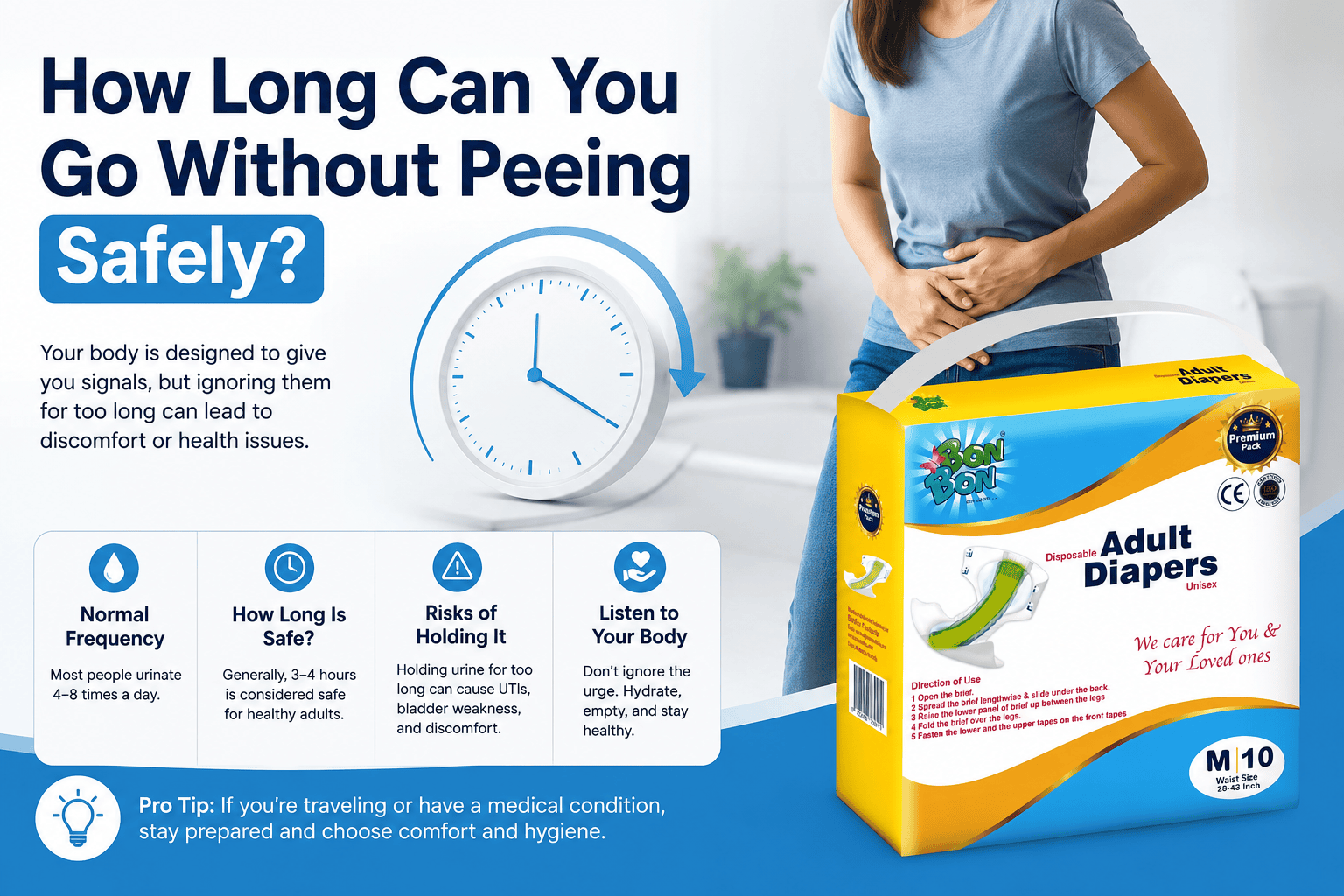
The average adult bladder can hold approximately 400 to 600 milliliters of urine comfortably, though it can stretch to accommodate more when necessary. Under normal circumstances, most people urinate between six to eight times per day, or roughly every three to four hours when awake.

Your bladder sends signals to your brain when it’s about half full, creating that initial urge to urinate. However, you can typically hold your urine for several more hours beyond this point without immediate danger. The body is designed with safety mechanisms that allow for temporary delays in urination when bathrooms aren’t accessible.
Several factors influence how long you can comfortably hold your urine, including your fluid intake, bladder capacity, age, overall health, and whether you have any underlying medical conditions. Physical activity levels also play a role—according to CDC physical activity guidelines, staying active contributes to better overall bodily function, including urinary health.
What Happens When You Hold Urine Too Long?
When you consistently hold your urine for extended periods, several complications can develop. The bladder muscle, called the detrusor muscle, can become stretched and weakened over time, potentially leading to incomplete emptying and urinary retention issues.

In the short term, holding your urine occasionally for a few extra hours won’t cause lasting damage. However, regularly delaying urination can increase your risk of urinary tract infections (UTIs). When urine sits in the bladder for prolonged periods, bacteria have more opportunity to multiply, potentially leading to painful infections. If you’re experiencing frequent UTIs, you might want to look into the Best Foods for Bladder Infection Relief.
More serious complications include bladder distension, where the bladder becomes overstretched and loses its ability to contract properly. In extreme cases, this can lead to acute urinary retention, a medical emergency requiring immediate catheterization. Kidney damage is also possible if pressure from a full bladder causes urine to back up into the kidneys, a condition called hydronephrosis.
Can Holding Your Urine Actually Kill You?
While extremely rare, there have been documented cases of death resulting from voluntarily holding urine for dangerously long periods. The theoretical timeline to life-threatening complications typically extends beyond 10 to 15 hours of continuous bladder distension, though individual tolerance varies significantly.

The most serious risk is bladder rupture, which can occur when an overfilled bladder experiences additional pressure—such as from a fall or external trauma. A ruptured bladder allows urine to leak into the abdominal cavity, potentially causing peritonitis (infection of the abdominal lining), sepsis, and death if not treated immediately.
Another potentially fatal complication is acute kidney injury resulting from prolonged urinary retention. When urine cannot drain properly from the kidneys due to bladder distension, it can cause permanent kidney damage and, in severe cases, complete kidney failure requiring dialysis or transplantation.
However, it’s important to emphasize that these extreme outcomes require extraordinarily prolonged urine retention—far beyond what most people would experience in normal circumstances. Your body has powerful reflexes that typically prevent such dangerous situations from occurring. For more context on common misconceptions, consider exploring 10 Myths About Adult Diapers Debunked.
Warning Signs You’ve Held It Too Long
Your body provides clear signals when you’ve delayed urination beyond a safe point. Severe abdominal pain or discomfort, particularly in the lower abdomen, indicates your bladder is overfilled and distended. Some people experience painful bladder spasms as the organ attempts to empty despite voluntary control.
Difficulty urinating when you finally reach a bathroom—such as a weak stream, dribbling, or inability to fully empty your bladder—suggests potential muscle dysfunction from overstretching. Blood in your urine, fever, or pain during urination following prolonged retention should prompt immediate medical attention, as these symptoms may indicate infection or injury.
If you experience involuntary leakage despite trying to hold your urine, this overflow incontinence indicates your bladder has exceeded its maximum capacity. According to NHS exercise guidance, maintaining overall health through proper hydration and regular physical activity helps support normal bladder function and reduces incontinence risk.
Managing Situations When Bathroom Access Is Limited
There are legitimate circumstances where bathroom access may be limited—during long meetings, commutes, travel, or certain medical procedures. Planning ahead can help you manage these situations safely without risking your health.
Moderate your fluid intake in the hours before situations where bathrooms won’t be available, but avoid dehydration. Empty your bladder completely before leaving home or entering a situation with limited bathroom access. Consider the timing of beverages that increase urine production, such as coffee, tea, and alcohol.
For individuals managing urinary incontinence or who need extended protection during situations where bathroom access is challenging, products like adult diapers provide a practical solution. BonBon Products offers high-absorbency, leak-proof adult diapers specifically designed for comfort and reliability during both day and night use. These products allow individuals to maintain their dignity and confidence without the health risks associated with prolonged urine retention.
For caregivers supporting adults with mobility issues or cognitive impairments that affect bathroom access, establishing regular toileting schedules and using appropriate incontinence products can prevent the complications associated with involuntary or prolonged urine retention. For a thorough overview of available options, check out our Adult Diapers India: Complete 2026 Guide.
Special Considerations for Chronic Conditions
Certain medical conditions affect bladder function and urine retention risks. People with diabetes may experience diabetic neuropathy affecting bladder nerves, leading to reduced sensation of fullness and increased retention risk. Individuals with enlarged prostate, neurological conditions like multiple sclerosis or Parkinson’s disease, or those taking certain medications may have impaired bladder emptying.
If you have any chronic condition affecting urinary function, work closely with your healthcare provider to develop an appropriate bathroom schedule and management plan. Never ignore urinary symptoms or changes in your normal patterns, as these may indicate worsening of your underlying condition or development of complications.
Pregnant women should be particularly attentive to bladder health, as the growing uterus puts additional pressure on the bladder and increases UTI risk. Frequent urination is normal during pregnancy, and holding urine should be avoided whenever possible.
Conclusion
While your body can tolerate occasional delays in urination, regularly holding your urine for extended periods poses real health risks. Though death from urine retention is extremely rare and requires extraordinary circumstances, the potential for bladder damage, infections, kidney problems, and incontinence issues should motivate everyone to respond promptly to their body’s signals. Most healthy adults can safely hold their urine for several hours when necessary, but making a habit of ignoring the urge can lead to long-term complications. Listen to your body, maintain good bladder habits, and seek medical attention if you experience any concerning urinary symptoms. For those managing incontinence or situations requiring extended protection, quality products like those offered by BonBon Products can provide comfort and security without compromising your health.
